India to Expand AI Training to 500 Universities Under AI Mission 2.0
In a significant move to bolster its technological prowess, India is set to expand artificial intelligence (AI) training to 500 universities as part of the AI Mission 2.0. This initiative aims to enhance skill development and research capabilities across the nation, positioning India as a global leader in AI innovation.
Key Objectives of AI Mission 2.0
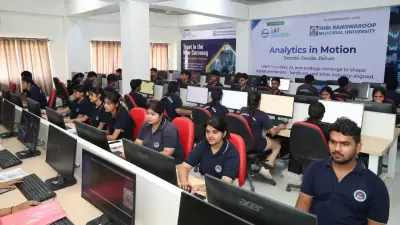
The AI Mission 2.0 focuses on several core objectives designed to transform India's AI landscape. Firstly, it seeks to integrate AI education into the curriculum of 500 universities, ensuring that students from diverse disciplines have access to cutting-edge AI knowledge. This expansion is expected to create a robust pipeline of skilled professionals ready to tackle real-world challenges.
Secondly, the mission emphasizes research and development, encouraging universities to collaborate on AI projects that address societal needs. By fostering an ecosystem of innovation, India aims to drive economic growth and improve public services through AI applications.

Impact on Higher Education and Industry
The expansion of AI training to 500 universities is poised to have a profound impact on higher education and the industry. Universities will benefit from updated curricula and resources, enabling them to offer specialized courses in AI and related fields. This will not only attract more students but also enhance the quality of education, making Indian institutions competitive on a global scale.
For the industry, this initiative means a steady supply of AI talent, which is crucial for sectors such as healthcare, finance, and technology. Companies can leverage this skilled workforce to develop innovative solutions, boosting productivity and creating new job opportunities. The AI Mission 2.0 thus acts as a bridge between academia and industry, promoting synergy and growth.
Challenges and Opportunities
While the expansion presents numerous opportunities, it also comes with challenges. Ensuring consistent quality of training across 500 universities requires significant investment in infrastructure and faculty development. The government and private sector must collaborate to provide the necessary resources and support.
On the positive side, this initiative opens doors for startups and entrepreneurs to engage with universities, fostering a culture of innovation. By addressing these challenges proactively, India can maximize the benefits of AI Mission 2.0, driving sustainable development and technological advancement.
In summary, India's plan to expand AI training to 500 universities under AI Mission 2.0 marks a pivotal step in the nation's journey towards becoming an AI powerhouse. With a focus on education, research, and industry collaboration, this initiative promises to shape the future of technology in India.