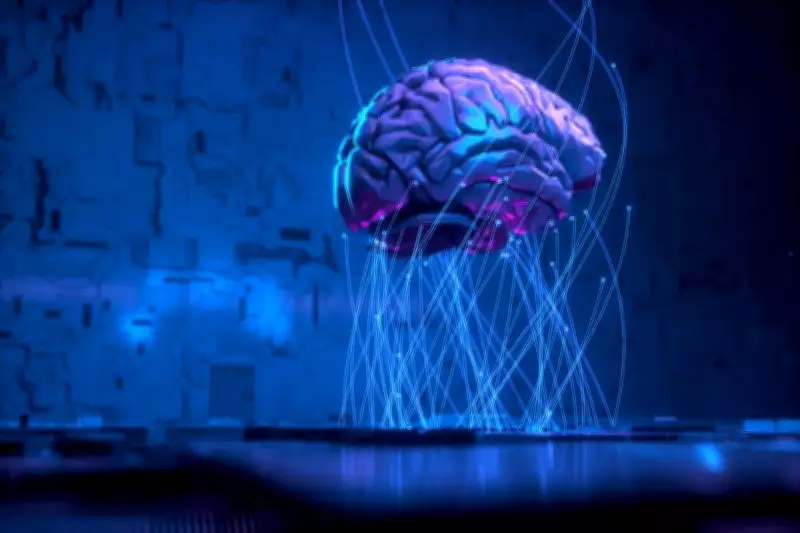
Intelligence Connected to Whole Brain Activity, Not Specific Regions: New Study
A groundbreaking neuroscience study has challenged long-held beliefs about the biological basis of intelligence, suggesting that cognitive abilities are linked to overall brain activity across multiple networks rather than being localized to specific regions. This research provides fresh insights into how the human brain supports complex thinking and problem-solving skills.
Rethinking the Brain's Intelligence Centers
For decades, scientists have attempted to pinpoint particular brain areas responsible for intelligence, often focusing on regions like the prefrontal cortex. However, this new investigation indicates that intelligence emerges from coordinated activity throughout the entire brain. The study's findings emphasize that cognitive prowess depends on how different brain regions communicate and work together as an integrated system.
Methodology and Key Discoveries
Researchers employed advanced neuroimaging techniques to examine brain activity in participants while they performed various cognitive tasks. The analysis revealed that individuals with higher intelligence scores demonstrated more synchronized and efficient activity across widespread brain networks. This suggests that intelligence is not about having a "smarter" specific area but about having a brain that functions as a more cohesive and responsive whole.

The study highlights several important aspects:
- Intelligence correlates with global brain connectivity rather than localized enhancements.
- Multiple networks, including those involved in attention, memory, and executive functions, contribute collectively to cognitive performance.
- This holistic view could explain why brain injuries in various locations can impact intelligence, as they disrupt overall network harmony.
Implications for Neuroscience and Beyond
This research has significant implications for understanding brain health, cognitive disorders, and educational strategies. By shifting focus from specific regions to network-wide activity, scientists can develop better approaches for enhancing cognitive function and treating conditions that affect intelligence. The study also opens new avenues for exploring how lifestyle factors, such as exercise and mental stimulation, might improve overall brain coordination.
As neuroscience continues to evolve, this study marks a pivotal step toward a more comprehensive understanding of what makes us intelligent, emphasizing the brain's remarkable capacity for integrated operation.