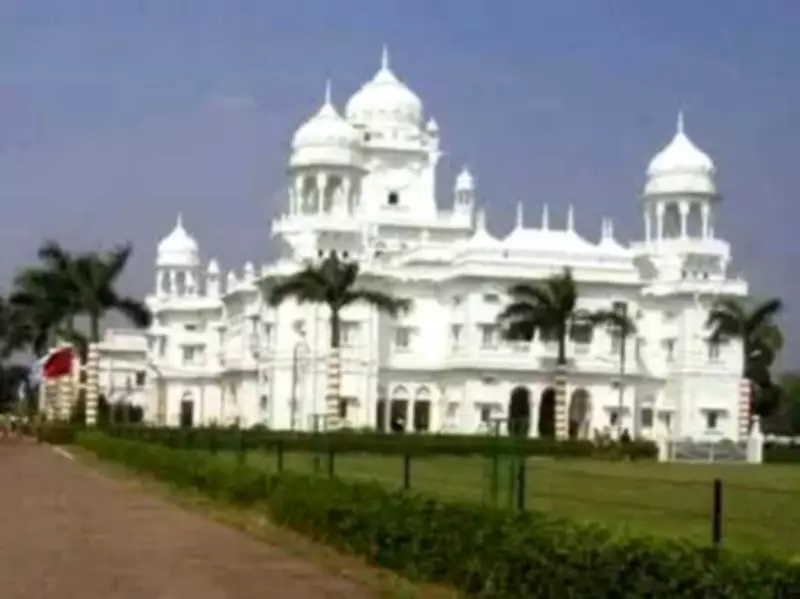
Lucknow: To facilitate better diagnosis and treatment of patients, King George's Medical University (KGMU) on Thursday announced the setup of an AI-enabled 3T MRI machine, robotic surgery systems, digital X-ray machines, and a central sterilization system in different departments.
AI-Powered 3T MRI Machine
The AI-powered 3T MRI machine, costing approximately Rs 24 crore, has been installed at the orthopedic department. The machine is designed to provide better, clearer, and faster images of affected areas, aiding doctors in diagnosing ligament injuries, spine conditions, and complex fractures. This will benefit an estimated 2000 to 3000 patients daily. Previously, patients had to visit the radiology department for MRI scans.
Robotic Surgery System
A robotic surgery system worth Rs 8 crore has also been set up in the orthopedic department. This system will improve precision in joint replacements and complex procedures, reducing errors and supporting faster recovery for patients.

Digital X-Ray Units
Two digital X-ray units, each costing nearly Rs 3 crore, are being installed in the orthopedic department and the trauma center respectively, replacing older machines. These units produce high-quality images in less time and allow better imaging even in obese patients.
Central Sterile Services Department (CSSD)
A Central Sterile Services Department (CSSD), costing around Rs 10 crore, is being established for the sterilization of all surgical instruments used across various departments in the university. Additionally, a mobile digital X-ray machine has been provided to the trauma center, enabling bedside examination of critically injured patients.
Expert Opinions
Prof Anit Parihar, head of the radiodiagnosis department, stated that the new machines will significantly improve diagnosis and treatment. Meanwhile, the pediatric orthopedics department has launched an occupational and physical therapy unit for children with cerebral palsy. Prof Vikas Verma, head of the department, explained that this unit provides continuous monitoring and physiotherapy post-surgery, ensuring patients fully recover before discharge. Previously, patients were sent home with exercise instructions.
Vice-Chancellor's Remarks
KGMU Vice-Chancellor Prof Nityanand commented, “The addition of new facilities will enhance diagnostic precision, reduce waiting time, and make advanced imaging accessible at affordable government rates.”