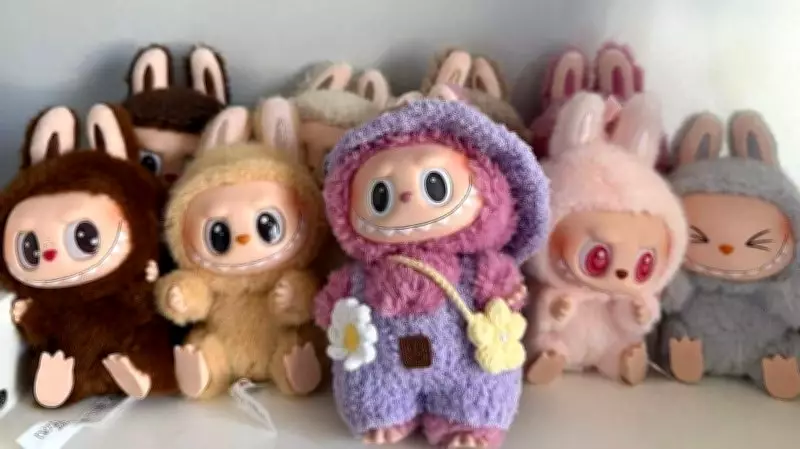
The Labubu phenomenon has taken the world by storm, transforming a simple toy into a potent symbol of late-stage capitalism. This article offers a Civil Services perspective, drawing on Marxist socialism to analyze the cultural and economic implications of this trend.
What is Labubu?
Labubu is a fictional character created by Hong Kong artist Kasing Lung and produced by POP MART, a Chinese company renowned for its 'blind box' art toys. These dolls are small, grotesquely cute figurines, often released in limited editions and sold in sealed packaging, leaving buyers unaware of which specific figure they will receive until the box is opened.
The Allure of the Blind Box
The blind box model capitalizes on the psychological thrill of uncertainty and the desire for rare items. Collectors often purchase multiple boxes in hopes of obtaining a complete set or a coveted limited edition, driving up demand and prices. This mechanism mirrors the dynamics of speculative markets, where value is detached from utility and instead tied to scarcity and perceived exclusivity.

Late-Stage Capitalism and Consumer Culture
From a Marxist perspective, Labubu exemplifies the contradictions of late-stage capitalism. The toy itself has little intrinsic use value; its worth is artificially constructed through branding, scarcity, and social media hype. Consumers are driven by commodity fetishism, where the object becomes a symbol of status and identity rather than a functional item. The blind box system further exploits this by encouraging compulsive consumption, akin to gambling, as buyers chase the next hit of dopamine from unboxing a rare figure.
Scarcity and Artificial Demand
POP MART deliberately limits production runs and introduces 'secret' or 'chase' figures to maintain high demand. This creates a secondary market where prices skyrocket, sometimes reaching hundreds or thousands of dollars for a single doll. Such practices highlight how capitalism manufactures scarcity to inflate value, benefiting the company and resellers at the expense of consumers.
A Civil Services Perspective
For civil services aspirants, the Labubu trend offers a case study in economic sociology and public policy. It raises questions about consumer protection, regulation of blind boxes (which some jurisdictions classify as gambling), and the ethical implications of marketing to children and young adults. Additionally, it underscores the need for policies that address income inequality, as the disposable income required for such collectibles often comes from surplus wealth, while essential needs remain unmet for many.
In conclusion, Labubu is more than a toy; it is a mirror reflecting the excesses of late-stage capitalism. By understanding this phenomenon through a Marxist lens, we can better grasp the systemic issues that drive such trends and consider interventions to promote more equitable and sustainable consumer practices.