

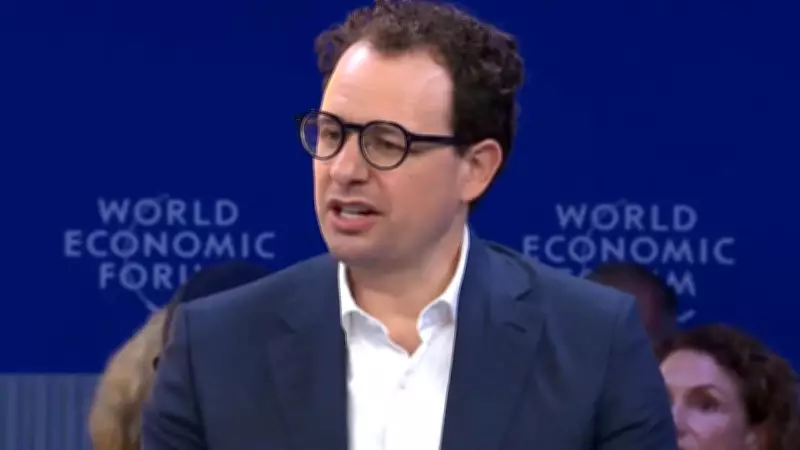
AI Godfather Yann LeCun Challenges Anthropic CEO's Dire Job Loss Predictions
In a sharp rebuttal, Yann LeCun, the former Chief AI Scientist at Meta and a revered figure often called one of the "Godfathers of AI," has publicly criticized Anthropic CEO Dario Amodei for his alarming forecast about artificial intelligence's impact on employment. Amodei recently predicted that AI could wipe out up to 50% of all entry-level positions in sectors like technology, law, consulting, and finance within the next one to five years, sparking widespread concern.
LeCun's Blunt Response on Social Media
LeCun responded with unequivocal clarity on X (formerly Twitter), stating, "Dario is wrong. He knows absolutely nothing about the effects of technological revolutions on the labor market." He emphasized that people should not rely on opinions from AI leaders, including himself, OpenAI CEO Sam Altman, or other AI pioneers Yoshua Bengio and Geoffrey Hinton, when assessing such economic impacts.
Instead, LeCun directed attention to economists who specialize in this field, naming Philippe Aghion, Erik Brynjolfsson, Daron Acemoglu, Andrew McAfee, and David Autor as experts whose career-long studies provide more reliable insights into how technological advancements historically affect jobs.

Amodei's Stark Warnings on AI and Employment
Dario Amodei, who co-founded Anthropic after departing OpenAI and leads a prominent AI safety company, made these remarks during a television interview. He argued that AI systems are already capable of handling complex challenges and reiterated concerns he raised last year about AI potentially eliminating nearly half of entry-level white-collar jobs soon.
In his essay 'The Adolescence of Technology', Amodei elaborated that AI acts as a general labor substitute rather than targeting specific roles, warning, "I suspect we'll have powerful AI (which would be, technologically speaking, enough to do most or all jobs, not just entry level) in much less than 5 years." This perspective highlights the rapid pace of AI development and its potential to disrupt traditional employment structures across industries.
Broader Implications for the Tech and Labor Markets
This debate underscores a critical divide in the AI community: while some, like Amodei, foresee significant job displacement due to automation, others, like LeCun, advocate for a more nuanced view based on economic research. The discussion raises important questions about how societies should prepare for AI-driven changes, including potential reskilling initiatives and policy adjustments to mitigate negative effects on workers.
As AI continues to evolve, such clashes among top experts will likely shape public discourse and influence strategies for integrating technology into the global economy responsibly.






