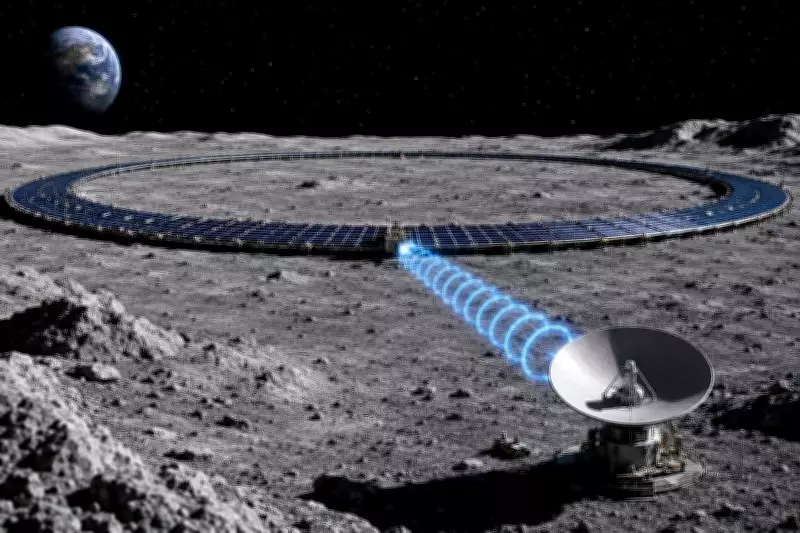
Japan's Shimizu Corporation has proposed an ambitious project called the Luna Ring, which envisions a giant belt of solar panels encircling the Moon's equator. The goal is to capture solar energy continuously and transmit it back to Earth as microwaves or lasers, providing an uninterrupted supply of clean electricity. This concept has gained renewed attention amid the global energy transition and growing concerns over climate change.
How the Luna Ring Would Work
The Luna Ring would consist of a 400-kilometer-wide belt of solar cells stretching along the Moon's equator. These cells would convert sunlight into electricity, which would then be converted into microwave or laser beams and directed toward receiving stations on Earth. The Moon's lack of atmosphere and its 14.7-day daylight cycle would allow for near-constant energy generation, potentially providing power to the entire planet.
Technological and Financial Challenges
Despite its promise, the Luna Ring faces enormous hurdles. The project would require transporting massive amounts of materials to the Moon, which is currently prohibitively expensive. Developing efficient and safe wireless power transmission systems over such vast distances is another major challenge. Additionally, maintaining and repairing the belt in the harsh lunar environment would be extremely difficult. The estimated cost runs into hundreds of billions of dollars, making it a long-term venture that may take decades to realize.

Geopolitical and Environmental Considerations
The project also raises geopolitical questions, as it would require international cooperation and agreements on space resource utilization. Critics argue that the immense resources could be better spent on terrestrial renewable energy solutions. However, proponents see it as a potential game-changer for achieving carbon neutrality and meeting global energy demands. While the Luna Ring remains a futuristic concept, it highlights the innovative thinking needed to address the world's energy challenges.