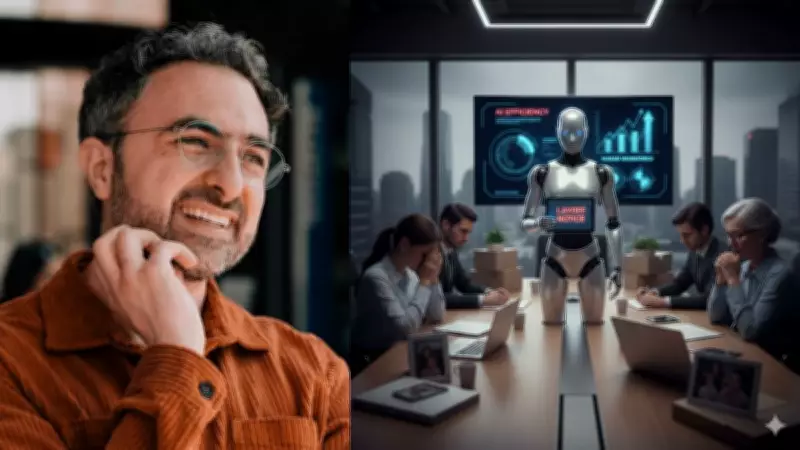
Microsoft AI CEO Issues Stark Warning on White-Collar Job Displacement
In a startling revelation that has sent shockwaves through the corporate world, the CEO of Microsoft's artificial intelligence division has issued a dire prediction: artificial intelligence could replace the majority of white-collar jobs within the next 12 to 18 months. This forecast underscores the accelerating pace of technological disruption and its profound implications for the global workforce.
The Timeline of Technological Takeover
The Microsoft AI CEO emphasized that the timeline for this massive job displacement is remarkably short, spanning just over a year. This rapid shift is driven by advancements in AI capabilities, including natural language processing, data analysis, and automation tools that are increasingly capable of performing tasks traditionally handled by human professionals in fields such as finance, marketing, and administration.
Key sectors at risk include:

- Administrative and clerical roles
- Financial analysis and accounting
- Customer service and support
- Content creation and editing
- Legal and compliance tasks
Implications for the Global Economy
This prediction highlights a critical juncture in the evolution of work, where AI systems are poised to transform industries at an unprecedented scale. The potential replacement of white-collar jobs could lead to significant economic restructuring, requiring businesses and governments to adapt quickly to mitigate job losses and retrain workers for new roles in an AI-driven economy.
The CEO's statement serves as a wake-up call for organizations worldwide to invest in reskilling initiatives and ethical AI deployment.
Microsoft's Role and Responsibility
As a leader in AI development, Microsoft's warning carries substantial weight, reflecting the company's insights into current technological trends. The CEO's remarks suggest that even tech giants are grappling with the societal impacts of their innovations, urging a balanced approach that harnesses AI for productivity while addressing workforce challenges.
This development is part of a broader conversation on AI ethics and regulation, as policymakers and industry stakeholders seek to navigate the fine line between innovation and job security.