Microsoft Responds to Public Backlash with New AI Data Center Strategy
Microsoft has taken a bold step to address growing public frustration over its artificial intelligence data centers. The tech giant announced a five-point plan on Tuesday, directly responding to concerns from American communities about rising power bills and water shortages. This move comes after former President Donald Trump publicly called out the company on social media, putting pressure on Big Tech to keep utility costs manageable for households.
Political Pressure Sparks Corporate Action
The announcement followed Donald Trump's Monday night post on Truth Social, where he specifically mentioned Microsoft as the first technology company that should commit to preventing higher electricity bills for Americans. "I never want Americans to pay higher Electricity bills because of Data Centers," Trump wrote, highlighting the political dimension of this infrastructure debate.
Microsoft President Brad Smith acknowledged the criticism directly during an event in Great Falls, Virginia. "When I visit communities around the country, people have questions—pointed questions," Smith stated. "We are at a moment of time when we need to listen." This admission reflects the company's recognition that public sentiment has shifted against unchecked data center expansion.

The Five Core Commitments
1. Higher Electricity Rates for Microsoft
In perhaps the most surprising move, Microsoft committed to working with utility companies and state regulators to establish electricity rates that fully cover the power consumption of its data centers. The company wants to prevent these costs from being passed on to residential customers who didn't ask for AI infrastructure in their neighborhoods.
2. Water Conservation and Replenishment
Addressing one of the most contentious issues, Microsoft promised its data centers would return more water to local communities than they withdraw. The company has already begun implementing this approach in Phoenix, Arizona, where it partners with municipalities to identify and repair leaks in aging water pipe systems.
3. Local Hiring and Training
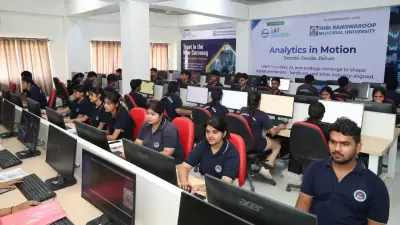
Microsoft plans to prioritize local residents for both construction jobs and ongoing operations positions. The company is collaborating with North America's Building Trades Unions to provide training in regions where data centers are being built. Additionally, Microsoft will expand its Datacenter Academy program through community colleges to prepare workers for technical roles.
4. Full Property Tax Payments
Breaking from typical corporate practice, Microsoft committed to paying full property taxes wherever it builds data centers, without seeking tax breaks from local governments. The company points to Quincy, Washington as an example—since Microsoft opened its first data center there in 2008, county tax revenues have tripled from $60 million to over $180 million. This funding helped the community open a new 54,000-square-foot medical center last year.
5. Community AI Education
The final commitment involves partnering with K-12 schools, community colleges, and local libraries to provide AI literacy training. Small businesses will also receive access to AI tools and workforce development resources, ensuring the technology benefits extend beyond Microsoft's immediate operations.
Background of Community Opposition
This comprehensive plan follows significant community pushback against Microsoft's data center projects. Last October, the company abandoned a proposed facility in Caledonia, Wisconsin after intense local opposition. Just this week, hundreds of Michigan residents protested another Microsoft data center proposal, demonstrating the widespread concern about infrastructure impacts.
The company's new approach represents a strategic shift from simply building infrastructure to actively engaging with community concerns. By addressing utility costs, environmental impacts, and local economic benefits simultaneously, Microsoft hopes to create a more sustainable model for AI infrastructure development across the United States.