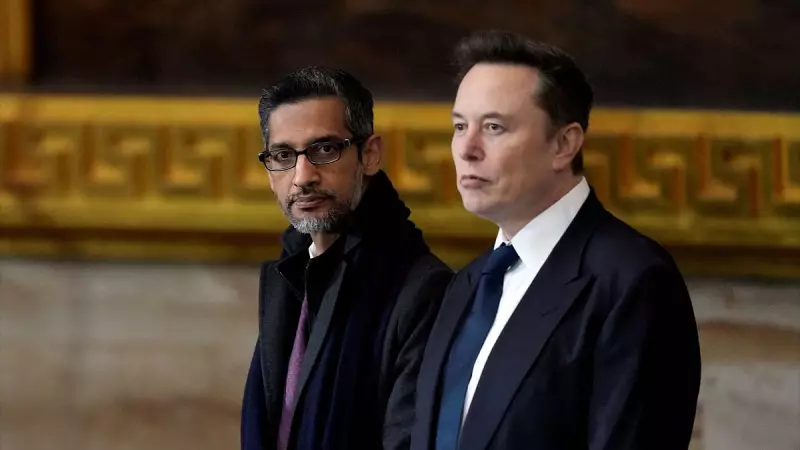
Elon Musk has launched a sharp critique against the newly announced partnership between Apple and Google. The tech billionaire specifically targeted the deal that will integrate Google's Gemini artificial intelligence into Apple's Siri voice assistant.
Musk Voices Strong Opposition
Musk took to social media platform X to express his concerns about this collaboration. He posted a clear warning about the implications of such an alliance between two of the world's largest technology companies.
"This seems like an unreasonable concentration of power for Google, given that they also have Android and Chrome," Musk wrote in his January 12, 2026 post.

Potential Legal Challenges Ahead
Industry observers now wonder if Musk plans to take concrete action against this agreement. The SpaceX and Tesla founder might consider filing a legal suit to challenge what he perceives as an AI monopoly in the making.
Legal experts suggest antitrust regulations could come into play if the deal substantially reduces competition in the artificial intelligence sector. The combination of Google's Gemini technology with Apple's massive user base through Siri creates a powerful ecosystem.
Understanding the Partnership
The Apple-Google agreement represents a significant shift in the competitive landscape of generative AI. Google's Gemini AI model will power Apple's Siri voice assistant across millions of devices worldwide.
This collaboration brings together:
- Google's advanced Gemini artificial intelligence technology
- Apple's Siri voice assistant used by hundreds of millions
- Integration across Apple's ecosystem of devices
- Potential access to vast amounts of user data
Market Dominance Concerns
Musk's criticism focuses on Google's already substantial market presence. The company controls the Android operating system used by most smartphones globally. Google also maintains dominance in web browsing through its Chrome browser.
Adding control over Apple's Siri through the Gemini integration could further consolidate Google's influence across multiple technology sectors. This vertical integration raises legitimate questions about fair competition and consumer choice.
Broader Implications for AI Industry
The controversy highlights growing concerns about concentration of power in the artificial intelligence field. As AI technology becomes increasingly central to digital experiences, control over these systems carries significant implications.
Other AI companies and startups might face greater challenges competing against such powerful alliances. The deal could potentially stifle innovation by creating barriers to entry for smaller players in the generative AI space.
Regulatory bodies worldwide will likely scrutinize this partnership closely. They will examine whether it violates antitrust principles or creates unfair advantages in the rapidly evolving AI marketplace.
The technology community awaits further developments regarding Musk's potential legal response. His history of challenging established tech giants suggests he may pursue formal action against what he views as an unreasonable concentration of artificial intelligence power.