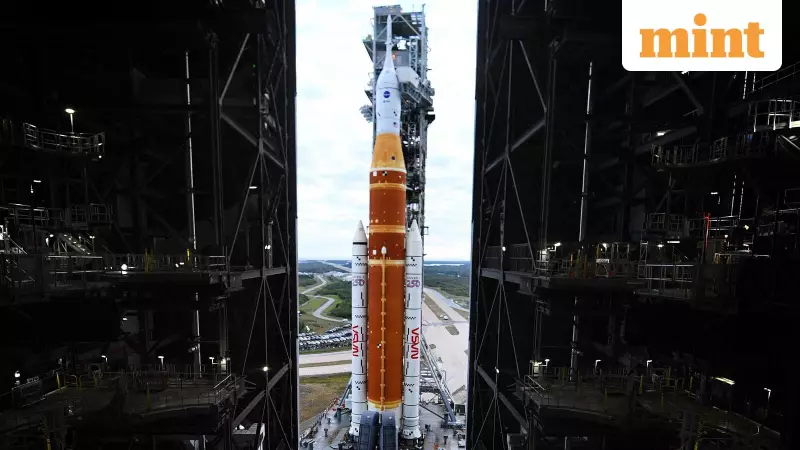
NASA achieved a major milestone on Saturday, January 17, by rolling out its powerful Artemis II rocket and spacecraft to the launch pad. The Space Launch System (SLS) rocket and Orion spacecraft began their journey at approximately 7:04 am Eastern Time.
A Slow but Steady Journey
The massive 11-million-pound stack moved at a careful pace of about one mile per hour. NASA's crawler-transporter 2 carried it along a four-mile route from the Vehicle Assembly Building at Kennedy Space Center in Florida.
After nearly twelve hours of travel, the rocket now stands proudly on Launch Pad 39B. This successful rollout represents a huge step forward for NASA's ambitious lunar exploration plans.

Understanding the Artemis II Mission
Artemis II marks NASA's first crewed mission using the SLS rocket and Orion spacecraft. It follows the uncrewed Artemis I mission and precedes Artemis III, which aims to land Americans on the lunar surface.
What Are the Goals of Artemis II?
NASA states that Artemis II will establish the foundation for future missions to the Moon, Mars, and beyond. The primary focus remains on exploring the Moon's South Pole region.
"It will set the stage for future missions to land on the lunar South Pole for the first time and set up a long-term presence there," NASA explains.
Will Artemis II Land on the Moon?
No, Artemis II will not land on the Moon. However, the crew will venture around the Moon, traveling approximately 685,000 miles from Earth before returning home.
Who Are the Artemis II Astronauts?
The mission features four astronauts:
- NASA's Reid Wiseman
- NASA's Victor Glover
- NASA's Christina Koch
- Canadian Space Agency astronaut Jeremy Hansen
What Spacecraft Will Artemis II Use?
NASA's powerful SLS rocket will launch the Orion spacecraft, carrying astronauts nearly a quarter-million miles to lunar orbit.
How Long Will the Mission Last?
Artemis II is expected to be a ten-day mission.
When Is the Launch Scheduled?
The earliest launch window opens on February 6. NASA anticipates launching the mission by April, though no specific date has been confirmed yet.
Why Artemis II Matters for Future Exploration
Artemis II represents NASA's first human mission targeting the lunar south pole. It serves as a critical step toward landing astronauts on the Moon's surface.
This mission supports NASA's broader goal of establishing a sustained presence on the Moon. Such presence will help prepare for sending the first Americans to Mars.
Through the Artemis program, NASA aims to make history by sending humans to explore the lunar South Pole region.
How Artemis II Differs from Artemis I
Artemis I was an uncrewed test flight, while Artemis II will carry astronauts. This marks a significant advancement in NASA's lunar exploration efforts.
What Comes Next After the Rollout?
In the coming days, engineers and technicians will prepare the Artemis II rocket for a "wet dress rehearsal." This prelaunch test involves fueling the rocket and practicing countdown procedures.
The wet dress rehearsal is likely to occur no earlier than February 2. During this test, the team will:
- Load the rocket with cryogenic (super-cold) propellants
- Run through the countdown sequence
- Practice safely draining propellants from the rocket
These steps are essential preparations before NASA launches its first crewed Artemis mission. The successful rollout brings humanity one step closer to returning to the Moon.