

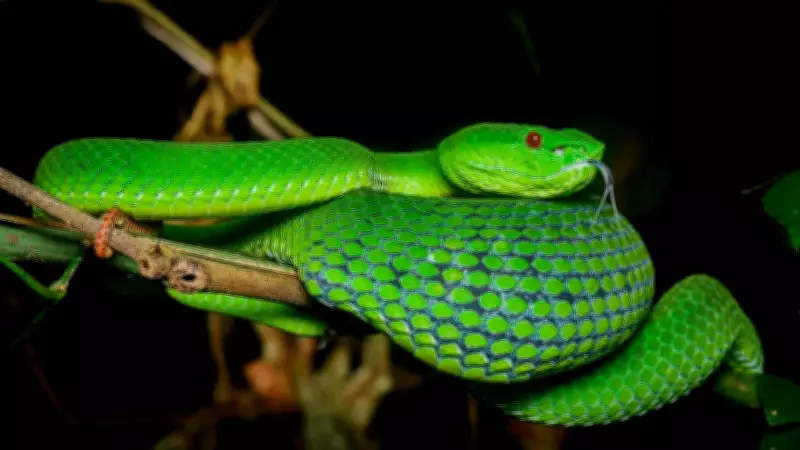
Despite years of research on ecosystems, new species continue to be discovered based on the similarities they exhibit with other previously identified species of organisms. With advancements in genetics research allowing the re-assessment of the differences between similar groups to be clearly determined, where they were previously unable to be seen, for example, the Huaxi Green Pit Viper was thought to belong to a previously identified species and has now been shown to be a separate species.
New Species of Venomous Pitviper Identified
This new species of snake is named the Huaxi green pitviper, which is classified under the family of Trimeresurus genus, known to be venomous pitvipers from Asia. The discovery reveals the fact that species that have a resemblance on their exterior might actually have a different genetic makeup altogether.
How DNA and Physical Traits Confirmed a New Pitviper Snake Species
Through a combination of physical and genetic analysis, researchers have confirmed the presence of a new species. According to the paper titled 'A new species of the genus Trimeresurus… from western Sichuan Province, China,' the scientists used both DNA sequencing and morphological traits to demonstrate that the Trimeresurus genus had been incorrectly categorised. The study proves that this population belongs to an independent group regardless of being grouped with other green pitvipers based purely on high morphological similarity. Through morphometric studies, it was determined that this new population possessed consistent differences with respect to the currently recognised Trimeresurus species in the western Sichuan Province.

Why This Snake Species Remained Unnoticed for Decades
For a long time, the animal was confused for another variety of green pit vipers due to similarities in colouration and physical appearance. The mix-up with reptiles sharing many external characteristics is not uncommon. Original classification systems were based on external traits, making it difficult to distinguish between closely related species. However, through the development of genetic-based identification techniques, researchers have increasingly identified differences between these two species, thereby helping to identify this snake as a new species.
Key Features and Appearance of the New Pitviper Species
The Huaxi green pitviper has an intensely bright green body on its skin that acts as camouflage in its natural environment among the dense vegetation of forests. Male specimens have a red and white stripe pattern on the sides of their bodies and amber-coloured eyes, while female specimens have a yellow stripe and orange-yellow eyes, making it easier to distinguish between males and females. This species averages about 80 cm long and is venomous like all members of the genus Trimeresurus. This makes accurate identification important, especially in regions where human encounters are possible.
Where This Newly Discovered Snake Species Is Found
This species of pitviper inhabits the humid mountain forests of western Sichuan, and specifically, the Mount Emei and Xiling Snow Mountain areas. These areas have a good deal of biodiversity and vegetation. The environmental factors of moisture content and the presence of forests ensure that the pit vipers are well accommodated in their natural environment. The fact that these locations are close to human settlements increases the probability of interaction between the two species.
Why This Discovery Matters for Biodiversity Research
This species’ discovery shows how there are still lots of unknown species in areas documented for a long time; there are many animals yet to be found because there is a similarity between them and previously documented animals. The discovery has implications for learning about evolution, taxonomy, and diversity. It further shows the significance of merging genetic testing with conventional observation techniques. As far as conservation is concerned, it is necessary to recognise new species to help preserve their ecosystem. This helps understand the ecosystem on which these species depend.






