

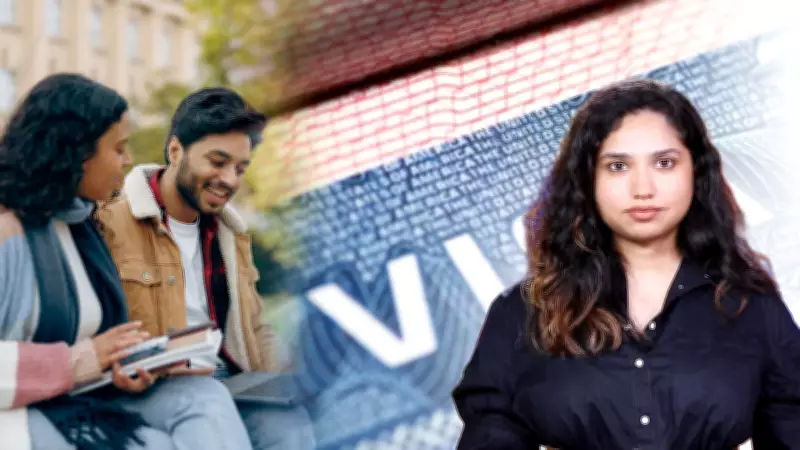
Understanding the Proposed US H-1B Bill
A new bill introduced in the United States Congress proposes significant changes to the H-1B visa system, which could severely disrupt the study-to-work pathway for Indian students. The bill includes a temporary freeze on new H-1B visas, reduced annual caps, a minimum salary requirement of $200,000, and the potential elimination of the Optional Practical Training (OPT) programme. These measures target the largest group of H-1B recipients—Indian nationals—who constitute over 70% of all H-1B visa holders.
Key Provisions of the Bill
The proposed legislation aims to overhaul the current system. The temporary freeze would halt new H-1B petitions for a specified period, while the reduced cap would lower the number of visas issued annually from the current 85,000 to a much smaller figure. The $200,000 salary threshold is intended to ensure only highly compensated foreign workers qualify, which critics argue is unrealistic for entry-level positions. Additionally, ending the OPT programme would remove a critical bridge for international students to gain work experience after graduation.
Impact on Indian Students
Indian students form the largest cohort of international students in the United States, with many relying on the H-1B visa and OPT to transition from academic study to professional employment. The proposed changes would make it significantly harder for them to secure work authorization after completing their degrees. This could lead to a decline in Indian students choosing US universities, affecting both educational institutions and the broader economy.

Reactions and Implications
Industry leaders and educational experts have expressed concern over the bill. They argue that the H-1B programme and OPT are essential for attracting global talent and maintaining US competitiveness in technology and innovation. The proposed salary threshold, in particular, is seen as impractical for recent graduates. If enacted, the bill could push talented Indian students to pursue opportunities in other countries like Canada, the UK, and Australia, which have more welcoming immigration policies.
What This Means for Future Applicants
For Indian students currently planning to study in the US, the uncertainty surrounding the H-1B visa system is alarming. Many may reconsider their options or seek alternatives such as direct employment in India or other study destinations. The bill also raises questions about the long-term viability of the US as a preferred education hub for Indian students. Advocacy groups are urging stakeholders to engage with lawmakers to highlight the potential negative consequences of such drastic reforms.






