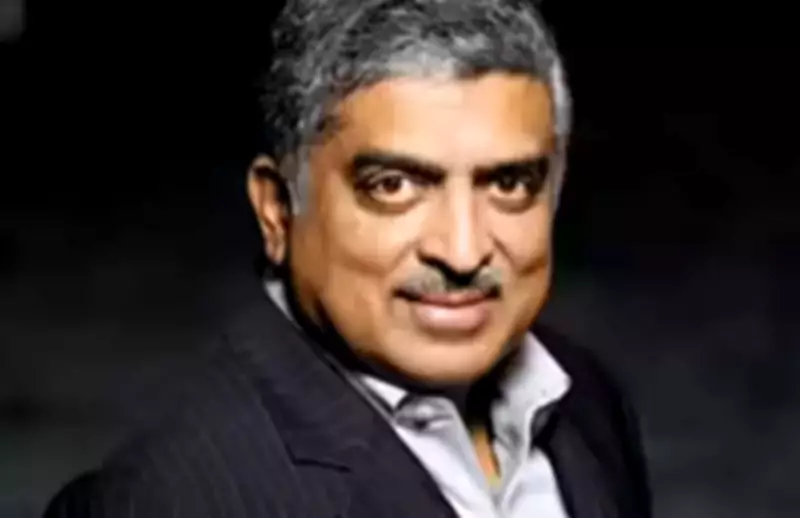
Bengaluru: As artificial intelligence adoption accelerates worldwide, Infosys and EkStep cofounder Nandan Nilekani has issued a clarion call for India to firmly position itself in the global race to harness this transformative technology. Speaking at an event hosted by the EkStep Foundation in Bengaluru on Wednesday, Nilekani emphasized that India must focus on using AI to improve livelihoods and create tangible economic value, steering clear of detrimental applications.
The Race to the Top Versus the Race to the Bottom
Nilekani drew a sharp distinction between what he termed the race to the bottom and the race to the top in AI development. The race to the bottom, he noted, is prevalent today and includes harmful uses like AI-generated explicit content and exploitation of vulnerabilities such as loneliness and mental health issues. In contrast, the race to the top centers on leveraging AI to enhance livelihoods and drive positive societal impact. We want the race to the top to win, Nilekani asserted, underscoring India's potential to lead in this ethical direction.
Showcasing India's Diverse AI Deployments
The event highlighted India's burgeoning voice AI ecosystem, with use cases spanning multiple critical sectors:

- Government services
- Agriculture
- Financial services
- Logistics
- The judiciary
- Enterprise operations
This diversity demonstrates how AI is being integrated into everyday functions to boost efficiency and accessibility.
Emphasizing Responsible AI and Guardrails
Nilekani stressed the importance of implementing robust guardrails to ensure AI systems are responsible and reliable. He advocated for a focus on responsible AI that operates as intended, minimizes hallucinations, and adheres to clear boundaries, rather than getting bogged down by extreme fears about superintelligence. The AI community often makes grand claims about job elimination and hyper-productivity leading to a life of leisure, he remarked, urging a more grounded approach that prioritizes practical benefits over speculative scenarios.
Learning from Aadhaar and UPI Success
Reflecting on India's past achievements, Nilekani pointed to the success of Aadhaar and the Unified Payments Interface (UPI) as blueprints for AI adoption. India has proven it can build population-scale digital infrastructure with frugal design, benefiting over a billion people, he said. He highlighted that UPI processes over 20 billion transactions annually at near-zero cost, enabling even small vendors to transact without fees. That's what we need to replicate with AI—whether through model tweaks, better chip design, or other innovations—the goal is to achieve similar scale and affordability.
Voice AI: A Gateway to Digital Equity
Nilekani identified voice-based AI as the most practical interface for India, crucial for advancing digital equity. Just as UPI made digital payments effortless, voice-driven interfaces can remove barriers in sectors like agriculture and education, he explained. This approach can democratize access, ensuring that literacy is no longer a hindrance to opportunity, thereby empowering every citizen.
Nvidia's Perspective on India's AI Potential
Echoing this optimism, Vishal Dhupar, Managing Director for South Asia at Nvidia, stated that India is on track to become a global hub for intelligence. Bengaluru can emerge as a global intelligence hub not just in name, but because we are actively engaged in the field, he said. Dhupar likened India's progression to moving from practice to a professional league, where the canvas expands, nuances are mastered, and performance improves. He predicted a threefold opportunity for India over the next three to four years, driven by growing talent and infrastructure.
In summary, Nilekani's vision calls for India to champion a responsible, livelihood-focused AI strategy, building on past digital successes and leveraging voice technology to foster inclusive growth. With industry leaders like Nvidia supporting this trajectory, India stands poised to make significant strides in the global AI landscape.