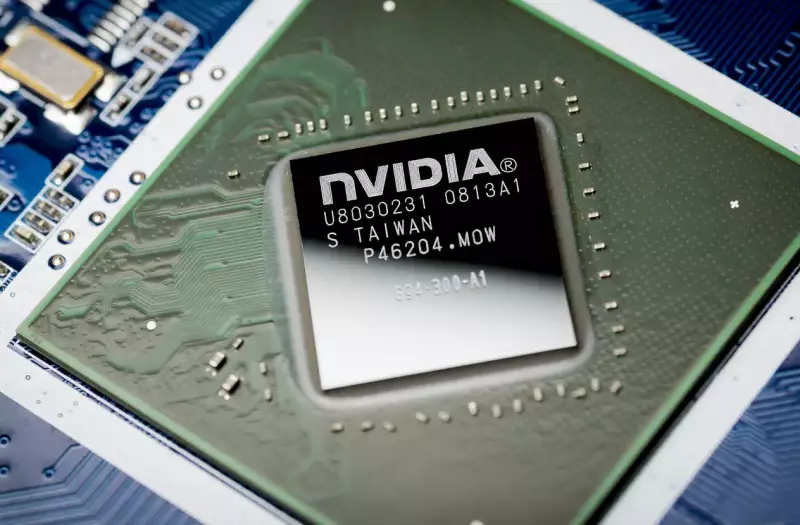
Nvidia's China Ambitions Hit Unexpected Wall
Nvidia's planned return to the Chinese market has encountered a significant obstacle. The company faces serious problems selling its high-end H200 artificial intelligence chips in the country. Chinese customs officials have taken action to prevent these newly-approved processors from entering mainland China. This development comes just days after the United States government officially cleared the shipments.
Production Lines Grind to a Halt
Suppliers of crucial components for the AI chips have reportedly stopped their production lines. According to a Financial Times report citing two informed sources, manufacturers of essential parts like printed circuit boards have paused operations. They are trying to avoid accumulating inventory losses on hardware that might not reach its intended destination.
This production halt represents a sudden reversal of fortune for Nvidia. The company had been preparing to re-enter the Chinese market with its latest technology. The first batches of H200 chips had already arrived in Hong Kong this week when the restrictions emerged.

Conflicting Government Approaches
The situation highlights the complex dynamics between American and Chinese trade policies. While the Trump administration recently granted approval for H200 shipments with a 25% tariff, Chinese authorities implemented their own counter-strategy. Last week, customs officers received instructions that Nvidia H200 chips are not permitted in the country.
The wording from officials was so severe that it essentially functions as a temporary ban, Reuters reported. This move apparently surprised Nvidia executives. The American chipmaker has invested considerable effort in selling its AI chips within China's lucrative market.
Pressure on Chinese Tech Giants
Meanwhile, multiple reports indicate that Chinese technology companies face government pressure regarding these chips. Major firms like Alibaba, ByteDance, and Tencent showed strong interest in securing H200 units for their superior performance capabilities. However, Chinese authorities have encouraged these companies to prioritize domestic alternatives instead.
The government specifically mentioned Huawei's Ascend chips as preferred domestic options. Officials have advised companies against using foreign chips for purposes that might threaten national security. This guidance comes despite Chinese customers having placed orders for over two million H200 units.
Order Cancellations Begin
The uncertainty surrounding the chip shipments has already prompted action from Chinese buyers. According to Financial Times reporting, some customers are now cancelling their substantial orders. The combination of customs restrictions and government pressure creates too much unpredictability for their business planning.
This development represents a significant setback for Nvidia's strategic plans in one of the world's largest technology markets. The company must now navigate complex geopolitical tensions while trying to maintain its position as a leader in artificial intelligence hardware.