

OpenAI Faces Allegations Over Global Memory Price Surge from Non-Binding DRAM Deals
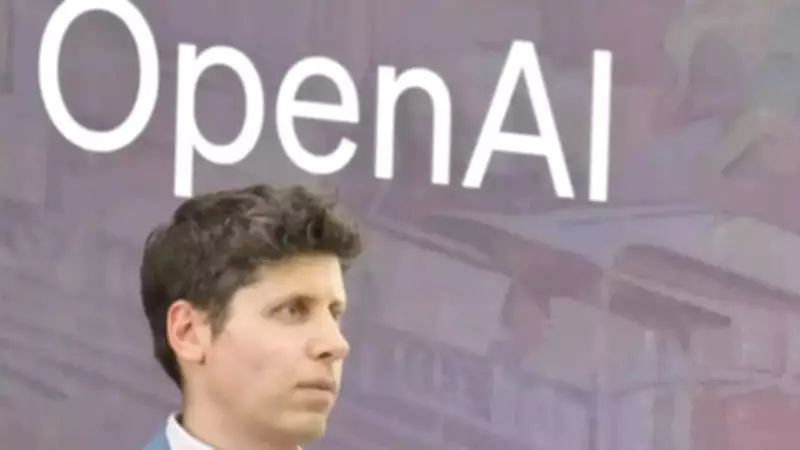
A recent post on X, formerly known as Twitter, has ignited widespread online debate by claiming that Sam Altman-led OpenAI may have significantly contributed to a sharp increase in global memory prices. The user @aakashgupta shared the post, alleging that non-binding agreements signed by OpenAI for large volumes of DRAM chips caused market reactions as if real orders had been placed, potentially leading to what he describes as "the worst consumer hardware crisis in a decade."
Details of the Alleged DRAM Deals and Market Impact
In the post, Gupta elaborated that in October 2025, Sam Altman traveled to Seoul and signed simultaneous letters of intent with both Samsung and SK Hynix for 900,000 DRAM wafers per month, which he claims accounted for approximately 40% of the global supply. According to Gupta, neither company was aware of the other signing a similar commitment at the same time, which could have altered pricing and terms significantly. He emphasized that these deals were letters of intent, not binding purchase orders, meaning no RAM actually changed hands, but the market treated them as genuine.
The alleged consequences included a 171% jump in contract DRAM prices, with a 64GB DDR5 kit reportedly soaring from $190 to $700 within three months. Additionally, DDR4 kits, which should have been in oversupply, doubled in price, leading retailers to stop posting prices entirely due to the volatility.

Cancellation of Stargate Project and Broader Industry Context
Gupta also cited the ambitious data center project Stargate, which he claims was cancelled because OpenAI couldn't forecast its own demand. He mentioned that Oracle couldn't agree on financing, and partners are squabbling, with Bloomberg reporting that the $500 billion project hadn't started and no funds were raised to meet the initial budget. This has resulted in multiple data center buildouts being delayed or shelved, further complicating the hardware landscape.
These claims emerge at a time when memory prices have experienced sharp fluctuations, driven in part by the AI industry's insatiable demand for high-performance hardware. While the allegations have not been officially confirmed by OpenAI or the involved companies, they highlight the potential ripple effects of major tech firms' procurement strategies on global supply chains.
Recent Developments and Market Corrections
Interestingly, Gupta noted that DDR5 prices are now dropping for the first time in months, attributing this not to OpenAI's actions but to Google's release of TurboQuant on March 24, a compression algorithm that cuts AI memory requirements by six times. This development led to SK Hynix and Samsung stocks dropping by 6% and 5% overnight, respectively, and Corsair kits falling $60-100 from their highs within days.
He concluded by pointing out the irony: "One company locked up 40% of global memory with commitments it may never fulfill. A different company published a research paper. The research paper is doing more for RAM prices than the entire supply chain has done in six months."
The debate continues as stakeholders monitor how such allegations might influence future procurement practices and market stability in the tech industry.






