OpenAI Strikes Defense Agreement with Pentagon as Trump Targets Rival Anthropic
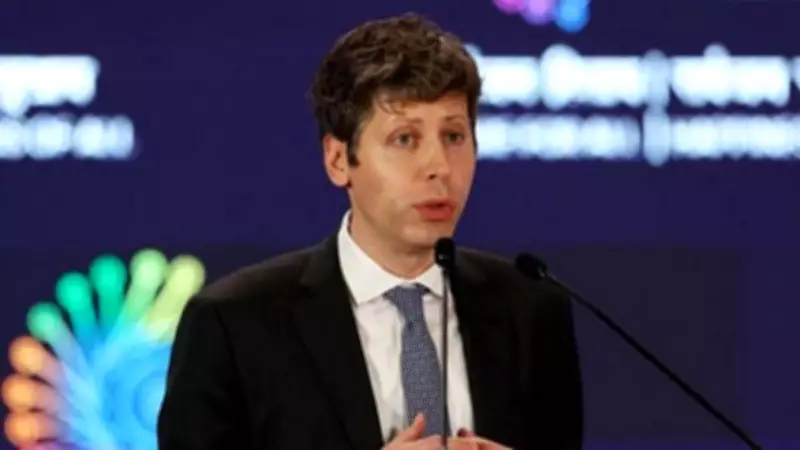
In a significant development for the artificial intelligence sector, OpenAI, the company co-founded and led by Sam Altman, has successfully reached a deal with the United States Department of Defense, commonly known as the Pentagon. This agreement marks a pivotal moment as AI technologies increasingly integrate into national security frameworks, underscoring the strategic importance of advanced machine learning and generative AI capabilities in modern defense operations.
Details of the OpenAI-Pentagon Partnership
The newly forged partnership between OpenAI and the Pentagon is set to leverage the company's cutting-edge AI models for various defense applications. While specific terms of the deal remain confidential, it is understood that the collaboration will focus on enhancing cybersecurity measures, improving logistical planning, and potentially developing simulation tools for military training. This move aligns with broader U.S. efforts to maintain technological superiority in an era of global competition, particularly against rivals like China and Russia.
Sam Altman, the prominent CEO of OpenAI, has been instrumental in steering the company toward this defense-oriented initiative. Under his leadership, OpenAI has expanded beyond its initial focus on civilian AI research, now engaging with government entities to address complex security challenges. This deal reflects a growing trend where tech firms are partnering with defense agencies to bolster national security, despite occasional public scrutiny over ethical concerns related to AI in warfare.

Political Context: Trump's Feud with Anthropic
Amidst this development, former U.S. President Donald Trump has been publicly feuding with Anthropic, a competing AI company. Trump's criticisms have centered on Anthropic's perceived biases and its role in the tech industry, which he claims is undermining American values. This feud adds a layer of political tension to the AI landscape, as Trump's vocal opposition contrasts with the Pentagon's endorsement of OpenAI, potentially influencing public and corporate perceptions of AI firms' alignments with national interests.
The timing of OpenAI's Pentagon deal, coinciding with Trump's attacks on Anthropic, highlights the increasingly politicized nature of the AI industry. It raises questions about how political dynamics might shape future collaborations between tech companies and government bodies, with implications for innovation, regulation, and global competitiveness in AI.
Implications for the AI Industry and National Security
This agreement between OpenAI and the Pentagon is expected to have far-reaching consequences. For the AI industry, it signals a growing acceptance of defense contracts as a viable revenue stream and a means to advance research in high-stakes environments. Companies like OpenAI may face both opportunities and challenges, including navigating ethical dilemmas and public relations issues associated with military applications of AI.
From a national security perspective, the deal underscores the Pentagon's commitment to integrating AI into its operations to enhance efficiency and effectiveness. It also reflects a strategic move to counter emerging threats by harnessing domestic technological expertise. As AI continues to evolve, such partnerships could become more common, driving innovation while raising important debates about the role of technology in defense and governance.
In summary, OpenAI's deal with the Pentagon represents a milestone in the convergence of AI and defense, set against a backdrop of political rivalry involving Donald Trump and Anthropic. This development not only advances U.S. military capabilities but also shapes the future trajectory of the global AI industry.