In a significant move blending artificial intelligence with personal healthcare, OpenAI has officially launched a new specialized tool named ChatGPT Health. Announced on 08 January 2026, this initiative is designed to demystify complex medical information and wellness metrics for everyday users.
What is ChatGPT Health?
ChatGPT Health is a tailored application of OpenAI's powerful generative AI technology, focused specifically on the health and wellness domain. Its core function is to take data from various connected health devices and applications and translate it into easy-to-understand insights.
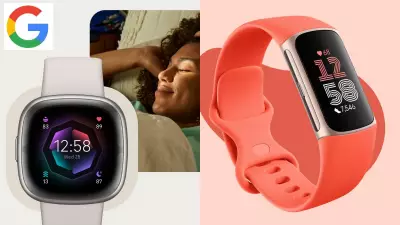
The tool will connect to a wide array of sources, including fitness applications linked to smartwatches, other smart health gadgets, and even mental wellness apps. By analyzing the body metrics and data tracked by these devices, ChatGPT Health aims to provide more concise and accurate health recommendations to individuals.

How Will It Transform Personal Healthcare?
The potential impact of this technology is substantial. For many people, understanding raw data from a fitness tracker or a detailed medical report can be challenging. ChatGPT Health acts as an intelligent intermediary, processing this information to offer clear, actionable advice.
For instance, instead of a user just seeing numbers related to heart rate variability, sleep patterns, and activity levels, the AI could synthesize this data into a holistic summary. It might offer insights on recovery, suggest optimal workout times, or highlight trends that warrant a doctor's consultation. This bridges the gap between data collection and practical, personalized health wisdom.
The Future of AI-Driven Wellness
The introduction of ChatGPT Health marks a pivotal step in making advanced AI a routine part of personal health management. It promises to empower users with a deeper understanding of their own bodies by simplifying the vast amounts of data generated by modern technology.
As reported by Rohit KVN, this launch underscores OpenAI's expansion beyond general-purpose chatbots into specialized, high-impact verticals. The success of such a tool will depend on its accuracy, privacy safeguards, and seamless integration with the existing ecosystem of health devices popular in India and globally.
This move is likely to accelerate the adoption of digital health tools and set a new standard for how generative AI can contribute to preventive healthcare and daily wellness routines.