The AI Cold War Reaches Illinois: A Clash Over Liability Protection
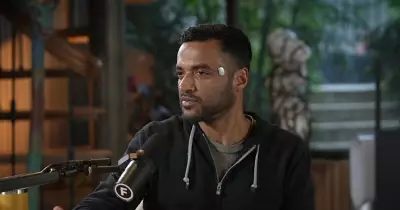
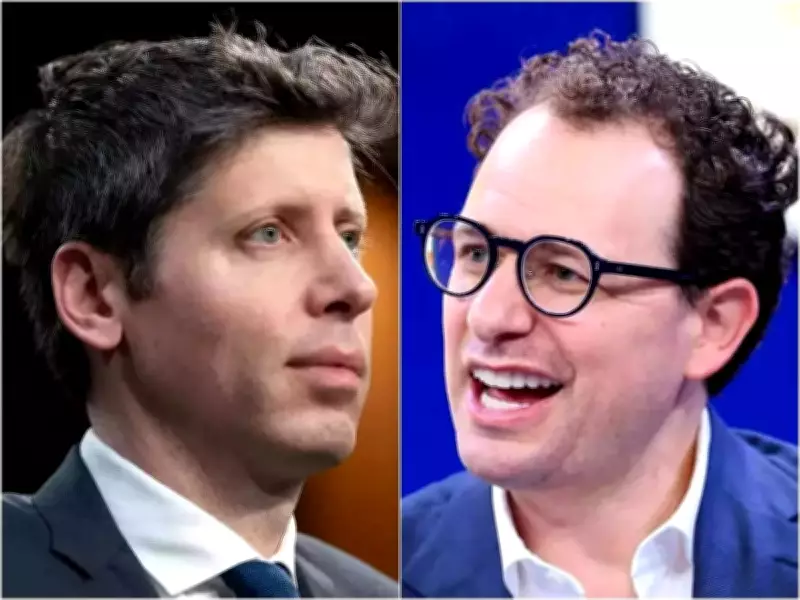
The simmering rivalry between leading artificial intelligence companies has erupted into a legislative battle in Illinois, one of America's most populous and economically significant states. OpenAI, led by CEO Sam Altman, and Anthropic, founded by Dario Amodei, are taking opposing positions on a controversial proposed law that could dramatically reshape liability for AI developers.
Senate Bill 3444: The Artificial Intelligence Safety Act
At the heart of this conflict is Illinois Senate Bill 3444, authored by Democratic Senator Bill Cunningham. This proposed legislation, officially titled the Artificial Intelligence Safety Act, would provide substantial legal protection to developers of frontier artificial intelligence models under specific conditions.
The bill essentially creates a liability shield for AI labs when their systems are used to cause what it defines as "critical harms"—including mass casualties or property damage exceeding $1 billion. To qualify for this protection, developers must meet several requirements:

- They must not have intentionally or recklessly caused the critical harms
- They must publish a comprehensive safety and security protocol on their website
- They must provide a detailed transparency report about their AI systems
The legislation offers alternative compliance pathways: developers can either agree to be bound by European Union safety and security requirements or enter into a qualifying agreement with a federal government agency. The bill includes a sunset provision, stating it would no longer apply if the federal government enacts overlapping regulations for frontier AI model developers.
OpenAI's Support for the Legislation
OpenAI has emerged as a vocal supporter of Senate Bill 3444, arguing that it represents a balanced approach to AI regulation. According to the ChatGPT creator, the legislation "reduces the risk of serious harm from frontier AI systems while still allowing this technology to get into the hands of the people and businesses—small and big—of Illinois."
The company has been actively working with multiple states to develop what it calls a "harmonized" regulatory framework for artificial intelligence. OpenAI spokesperson Liz Bourgeois emphasized this approach in a statement: "In the absence of federal action, we will continue to work with states—including Illinois—to work toward a consistent safety framework."
OpenAI has expressed hope that state-level legislation like Illinois' bill will eventually inform a comprehensive national framework, helping ensure the United States maintains its leadership position in artificial intelligence development. The company previously supported similar AI safety legislation in California that increased transparency requirements without implementing liability provisions.
Anthropic's Opposition and Alternative Vision
In stark contrast to OpenAI's position, Anthropic has firmly opposed Senate Bill 3444. The company confirmed its opposition in communications with media outlets, describing the legislation as problematic for public safety and corporate accountability.
Cesar Fernandez, Anthropic's head of US state and local government relations, articulated the company's concerns: "We are opposed to this bill. Good transparency legislation needs to ensure public safety and accountability for the companies developing this powerful technology, not provide a get-out-of-jail-free card against all liability."
Despite their opposition, Anthropic representatives have engaged in what they describe as "promising conversations" with Senator Cunningham about using the bill as a starting point for future AI legislation. Fernandez acknowledged the senator's commitment to AI safety while advocating for a different approach: "We know that Senator Cunningham cares deeply about AI safety, and we look forward to working with him on changes that would instead pair transparency with real accountability for mitigating the most serious harms frontier AI systems could cause."

The Broader Implications of the Illinois Battle
This legislative conflict in Illinois represents more than just a state-level policy debate—it reflects fundamental philosophical divisions within the artificial intelligence industry about how to regulate emerging technologies. The opposing positions taken by OpenAI and Anthropic highlight different approaches to balancing innovation with safety, corporate protection with public accountability.
As artificial intelligence systems become increasingly powerful and integrated into critical infrastructure, the question of liability for potential harms grows more urgent. The Illinois legislation attempts to address this challenge by creating specific conditions under which developers would be protected from legal responsibility for catastrophic outcomes.
The outcome of this legislative battle could have national implications, potentially influencing how other states approach AI regulation and possibly shaping eventual federal legislation. With both companies actively lobbying and engaging with policymakers, the debate over Senate Bill 3444 represents a critical moment in the evolving relationship between technology companies, government regulators, and public safety concerns.