OpenAI Reportedly Developing Human-Only Social Network to Combat Bot Accounts
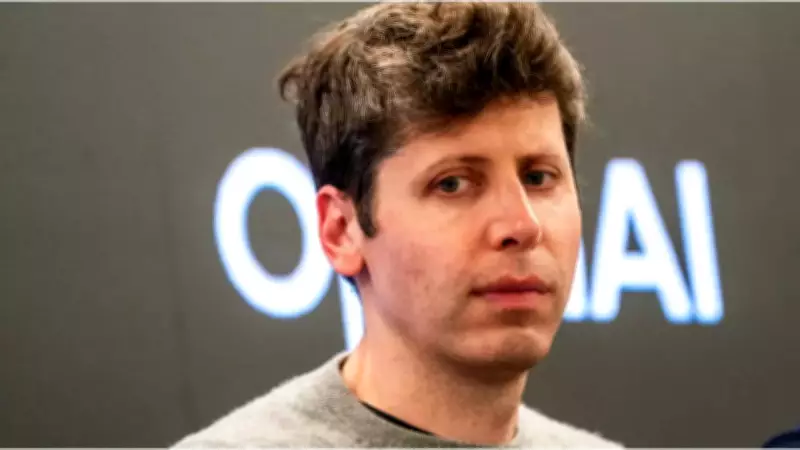
OpenAI, the artificial intelligence startup led by Sam Altman, is reportedly developing its own social network with a primary focus on eliminating automated bot accounts. This ambitious project aims to position the new social media service as a truly human-only platform, creating a significant point of differentiation from existing platforms like Elon Musk's X and others that have been plagued by automated accounts.
Early Development and Biometric Verification Plans
According to a recent Forbes report citing sources familiar with the project, the social network is still in the very early stages of development but has been envisioned as a real-humans-only platform. This approach could serve as a potential selling point for OpenAI, allowing the company to capitalize on the success of its viral applications like ChatGPT and Sora.
The app is being developed by a small team of fewer than 10 people and may incorporate a biometric identity recognition element. Sources indicate that the team has considered requiring users to provide "proof of personhood" through verification methods such as Apple's Face ID or the World Orb.

The World Orb, a cantaloupe-sized eyeball scanner operated by Tools for Humanity (a company founded and chaired by Sam Altman), uses a person's iris to generate a unique, verifiable identification. This biometric approach represents a significant departure from traditional social media verification methods.
The Persistent Problem of Bot Accounts
For years, social networks have struggled with bot accounts that typically mimic human engagement to manipulate cryptocurrency prices or distort public perception by amplifying hate speech and misinformation. This has been a particularly acute problem on Twitter, a situation that reportedly worsened when Elon Musk acquired the platform, renamed it X, and implemented substantial staff reductions.
While Musk declared war on bots before acquiring Twitter and the company removed approximately 1.7 million bot accounts in a 2025 purge intended to reduce reply spam, automated accounts continue to plague the platform and others like it.
Industry Frustration with Synthetic Content
Sam Altman, a regular X user since 2008, has expressed his frustration with bot accounts on multiple occasions. In September 2025, he posted on X that "somehow AI Twitter/AI reddit feels very fake in a way it really didn't a year or two ago."
More recently, Altman referenced the dead internet theory, which posits that since 2016, the internet has been increasingly overrun with non-human activity. "I never took the dead internet theory that seriously, but it seems like there are really a lot of LLM [AI]-run Twitter accounts now," he wrote.
This sentiment has been echoed by other industry leaders. Instagram head Adam Mosseri posted in December 2025 that "the feeds are starting to fill up with synthetic everything," highlighting the growing concern about AI-generated content across social platforms.
How OpenAI's Approach Differs from Existing Platforms
Accurate biometric verification would theoretically ensure that all accounts on OpenAI's social network have a real person behind them. This represents a fundamental departure from how established social networks like Facebook and LinkedIn currently approach identity verification.
While platforms like Facebook and LinkedIn attempt to verify identity through phone and email verification, as well as behavioral or network signals, neither has pursued a biometric solution that would definitively verify a user's humanity. OpenAI's potential approach could address verification at a more fundamental level.
However, privacy advocates have raised concerns about the risks associated with identity verification methods like World Orb's iris scanning technology. Since iris scans are biologically unchangeable, they could create significant privacy and security problems if they fall into the wrong hands.

Competitive Landscape and OpenAI's Track Record
OpenAI has demonstrated a strong track record of building applications with significant consumer adoption. ChatGPT, which brought AI to mainstream consciousness, attracted 100 million users within two months of its launch and now boasts over 800 million users. The company's AI video application, Sora, reached 1 million downloads in less than five days, growing even faster than ChatGPT did initially.
Despite this history of successful product launches, OpenAI would likely face substantial challenges if it decides to launch a social network. The company would need to compete with established platforms including:
- Meta's Threads app, which reportedly now has as many mobile daily users as X
- Bluesky, which has accumulated over 40 million total users
- Established giants like Instagram and TikTok, both of which are actively developing their own AI content features
Integration with AI Capabilities and Future Outlook
The report did not specify exactly how the social network would complement OpenAI's existing product portfolio, though sources suggested that users would likely be able to utilize AI tools to create content such as videos or images directly on the platform. This integration would follow a trend already established by platforms like Meta's Instagram, which as of September 2025 had 3 billion monthly active users and already allows users to create AI-generated images directly within the application.
Currently, there is no established launch timeline for OpenAI's social network, and sources caution that the project could change considerably before it's ready for public release. The development team continues to explore various approaches to creating a social media environment free from the automated accounts that have become increasingly problematic across existing platforms.
As social media continues to evolve and AI-generated content becomes more sophisticated, OpenAI's potential entry into the social networking space represents an intriguing attempt to address one of the most persistent challenges facing digital communication platforms today.