

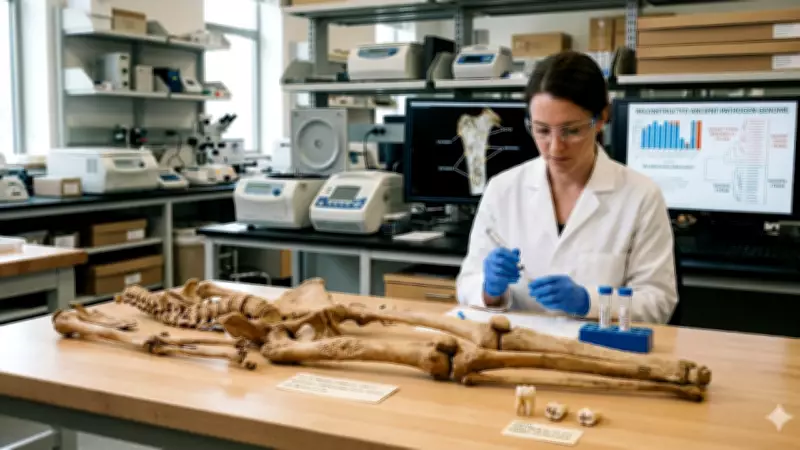
The study of ancient diseases, known as paleopathology, relies on the human skeletal record to reveal the presence of illnesses in past populations. Researchers employ techniques such as bioarchaeology, paleopathology, and biomolecular analyses to identify infections, nutritional deficiencies, and degenerative conditions. Tools like DNA sequencing, isotope analysis, and radiography enable the detection of diseases such as tuberculosis and bubonic plague from ancient remains, providing insights into disease evolution, historical medical practices, and environmental conditions.
Paleopathology: How Ancient Diseases Are Found in Human Remains
Paleopathology involves examining diseases in ancient human and animal remains by analyzing bone abnormalities, tooth wear, and burial contexts. Clark Spencer Larsen, a prominent bioarchaeologist, notes in his article 'The Bioarchaeology of Health Crisis: Infectious Disease in the Past' that human skeletons are rich records of life experience, including disease, nutrition, and biological stress. Through paleopathology, we gain insights into past generations by studying diseases preserved in bones and tissues.
Scientific Techniques Used to Identify Ancient Diseases
Modern science has revolutionized the detection of diseases in fossils. Advanced techniques include ancient DNA (aDNA) studies, where scientists retrieve DNA from bones or teeth to study pathogens. For example, Bos et al. (2011) demonstrated that Yersinia pestis caused the Black Death. Isotope analysis examines bone chemistry to deduce migratory history and dietary habits linked to health. Radiographic imaging, such as CT scans, allows noninvasive study of mummified bodies; for instance, Egyptian mummies showed evidence of atherosclerosis.

Diseases Discovered in Ancient Populations
Numerous illnesses have been documented archaeologically. Tuberculosis, characterized by spine damage (Pott's disease), has been found in remains dating back millennia. Leprosy is evident from distinctive bone features on the face and limbs. Malnutrition cases like rickets and scurvy are common. Additionally, plague DNA has been identified in large burial sites.
Why Studying Ancient Disease Matters Today
Investigating ancient diseases benefits modern medicine by revealing pathogen evolution, aiding pandemic forecasting. Research on historical health trends helps assess environmental and socioeconomic factors influencing illness, particularly lifestyle-related diseases. The study of ancient pathologies offers a physical record of human experience, and with cutting-edge technology, researchers continue to uncover mysteries of past diseases.






