A colleague once described the morning she returned to work after losing a pregnancy. She sat through a project review, answered questions, and moved a deadline. No one in the room knew. No one asked. She had become very good at carrying something heavy while appearing to carry nothing at all.
I think about that often, because it is not a rare story. It is the quiet reality for millions of working women in India, and it exposes a gap most of us in leadership have learned to look past.
We have made real progress on the human side of work. Mental health, burnout, well-being, women's health, topics we once filed under 'too personal' now sit on boardroom agendas where they belong. But progress reveals what it leaves behind. And pregnancy loss has been left almost entirely in the dark.

The grief that clocks in for work
Pregnancy loss is one of life's most painful events, and it grants no pause. A woman is expected back at her desk, in meetings, holding her numbers steady, all while carrying a loss the people around her never see.
The silence runs both ways. Managers and colleagues who want to help often freeze, afraid of saying the wrong thing, so they say nothing. The person who most needs support is left alone, while everyone around her mistakes their own discomfort for respect.
That is the gap we set out to understand rather than assume.
What the numbers refuse to let us ignore
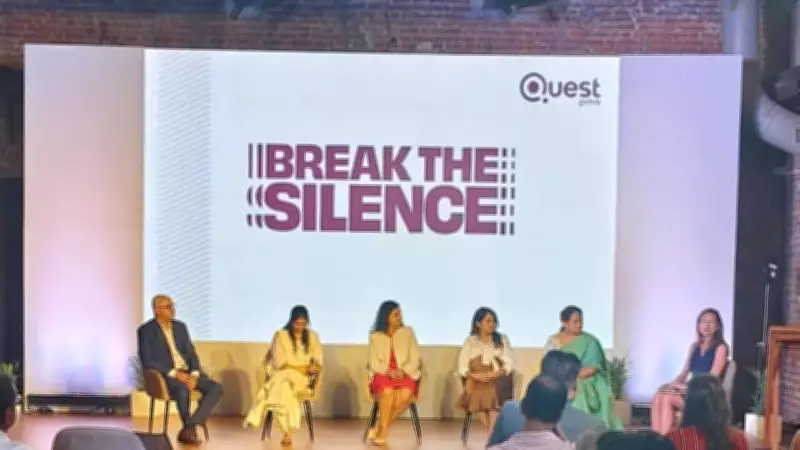
At Quest Global, a conviction began that felt almost too obvious to state: no employee should face pregnancy loss alone, and no organisation should be left without the tools to support. That belief became Break the Silence, an initiative built to move this experience from the margins of workplace life into the open.
To measure the scale and impact, a nationwide study with YouGov, called 'The Cost of Silence' was commissioned. The findings were sobering.
- Nearly 80 million working women in India would choose to stay silent about pregnancy loss for fear of judgment.
- 78 million worry that disclosing it could damage their careers.
- Three in four said the experience would shake their confidence, which in turn impacts performance.
- 70 million would consider leaving their employer if they received no support during it.
Read that last figure twice. Seventy million women are quietly weighing whether their workplace deserves their loyalty when the workplace fails to support them during their hardest moment. The cost of silence is not only human, though that alone should move us. It is a talent and retention risk hiding in plain sight.
The problem is not a shortage of heart
Here is the finding that gives hope. The barrier is not indifference. It is education. 61% of men recognise the pressure women feel to carry on as if nothing has happened. Yet only 30% of male managers know that miscarriage-related leave provisions even exist. The will to help is widespread. The knowledge to act on it is not.
That single gap reframes the challenge. We do not need to persuade people to care. We need to equip them to act, with clear policies, practical guidance, and the confidence to handle a difficult conversation well. And the upside is tangible: when women are supported through pregnancy loss, 45% say they would recommend their employer to others.
Turning intent into infrastructure
Goodwill without resources changes little. Change only happens where there is real support. In partnership with YourDOST, Quest Global has launched a free public platform open to individuals and organisations across India. It offers a 24-hour helpline staffed by psychologists trained specifically in pregnancy loss, anonymous peer support circles, training materials for HR teams and managers, awareness webinars and downloadable resources ready to use immediately.
The aim is not simply to deliver a service. It is to open the dialogue, and to weave empathy and psychological safety into how we work every day.
A line in the sand for India's leaders
The change has already begun. Four companies representing 35,000 employees, along with the Indian Pharmaceutical Alliance, have joined the movement. I want that circle to widen until it is no longer a movement at all, just the way responsible organisations behave.

So, I will be direct. Ask yourself one honest question: if a woman on your team suffered a pregnancy loss, would your workplace know how to support her, or would you look away? If you are not certain, you already know where to start. Train your managers. Open the conversations. Join the movement to break the silence. Healing begins when silence ends.
Disclaimer: This article has been produced on behalf of Quest Global by Times Internet's Spotlight team.