RPCAU Advances Digital Agriculture with AI Integration in Bihar
At a time when India is hosting a global summit on the impact of artificial intelligence, Rajendra Prasad Central Agricultural University (RPCAU) has announced its pioneering role in promoting digital agriculture across the country. The university is actively integrating cutting-edge technologies such as Artificial Intelligence (AI), drones, and advanced tools into its research, education, and practical farming initiatives.
Leadership in Digital Farming
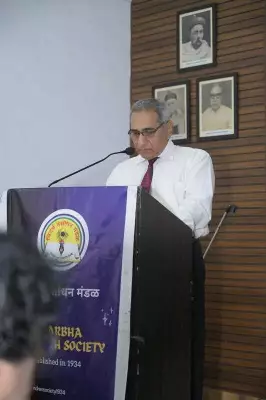
RPCAU's vice-chancellor, P S Pandey, emphasized that the institution is at the forefront of driving digital agriculture in Bihar. By leveraging AI, the university aims to revolutionize traditional farming practices and enhance agricultural productivity on a large scale.
Innovative Fasal IoT-SaaS Platform
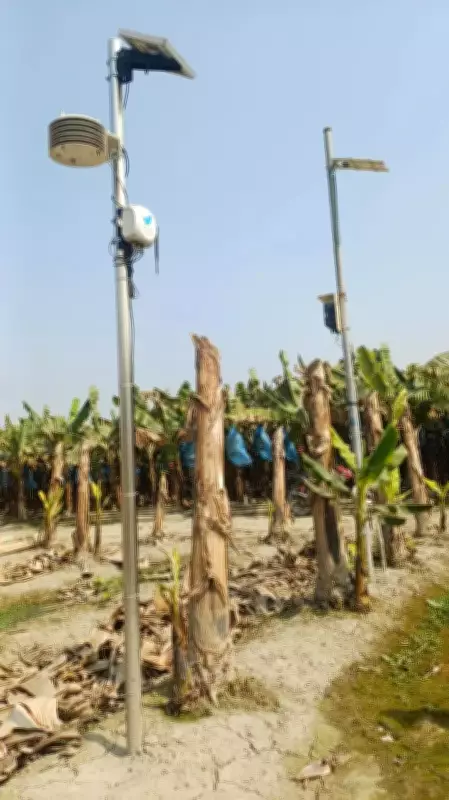
The university has developed the 'Fasal IoT-SaaS platform', a sophisticated system designed to help farmers transition from reliance on gut instinct to high-precision, data-driven agriculture. This platform provides real-time insights into critical factors such as soil moisture levels, temperature variations, and hyper-local weather forecasts.

Key Technological Features
- Precision irrigation systems that optimize water usage
- Early warnings for pests and diseases to prevent crop damage
- Automated fertigation processes for efficient nutrient delivery
- AI-enhanced surveillance for monitoring crop health and growth
Transforming Kothiya Village into a Model
Kothiya village in Samastipur district has been transformed into a digital agriculture model village through the implementation of these AI-powered tools. Farmers in this area and surrounding regions are now utilizing smartphone-controlled drip irrigation systems, IoT sensors, and AI-driven analytics to maximize both productivity and crop quality.
Significant Impact on Farmers
The adoption of digital agriculture has yielded remarkable results. Farmers have reported a substantial increase in crop yields, ranging from 30% to 40%, alongside significant reductions in production costs. Some farmers have even achieved annual turnovers of Rs 3 to 4 crore, highlighting the economic benefits of this technological shift.
Bridging the Lab-to-Farm Gap
RPCAU's extension services have played a crucial role in facilitating the adoption of these advanced tools. By bridging the gap between laboratory research and on-field application, the university has empowered local farmers to manage high-value crops such as litchi, maize, and turmeric more effectively.
Future Prospects and Broader Impact
As RPCAU continues to expand its digital agriculture initiatives, the university is poised to have a profound impact on the future of farming in India, with particular emphasis on Bihar. By harnessing the power of AI and digital technologies, farmers are increasingly able to make informed, data-driven decisions that improve crop yields and boost their incomes.
The university's efforts not only enhance agricultural productivity but also contribute to greater resource efficiency and quality control in farming practices. This holistic approach underscores RPCAU's commitment to transforming agriculture through innovation and technology.