Golden Apple Snail's Remarkable Eye Regeneration Sparks Scientific Interest
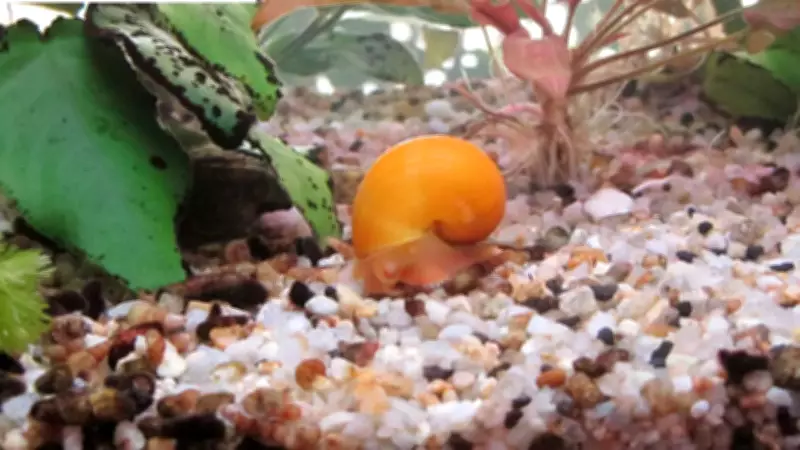
A humble freshwater snail, the golden apple snail (Pomacea canaliculata), is quietly capturing the attention of researchers focused on combating vision loss. This unassuming invertebrate possesses the extraordinary ability to regrow a fully formed camera-type eye even after complete removal, a feat rarely observed in adult animals. The groundbreaking findings, detailed in the journal Nature Communications, highlight this species as the first genetically tractable organism demonstrated to regenerate the entire structure of such an eye.
Anatomy and Regeneration Process of the Snail's Eye
The snail's eye is a sophisticated organ comprising a cornea, lens, and layered retina arranged within a single chamber. Light enters through the cornea, is focused by the lens onto the retina, and is processed by organized photoreceptor cells, with a defined optic nerve connecting to the nervous system. Although an invertebrate, its eye architecture bears striking resemblances to vertebrates, with gene activation patterns familiar from other image-forming species.
When an adult snail loses an eye, the wound seals within approximately one day. Cells accumulate at the site, forming a blastema—a cluster of unspecialized cells that differentiate into eye tissue over several weeks. Within about two weeks, visible structures like the lens begin to reappear, followed by retinal layers and optic nerve reconnection. Full maturation, indicated by gene activity patterns, continues beyond four weeks, with behavioral tests ongoing to assess functional recovery.

Gene Editing Tools Unlock Insights into Eye Regeneration
Researchers have successfully adapted CRISPR-Cas9 gene editing tools specifically for Pomacea canaliculata. In experiments, disrupting the pax6 gene in embryos prevented eye development, underscoring its role as a key regulator of eye formation across species, including humans. This discovery suggests shared developmental pathways and opens avenues to investigate whether the same genes are essential not only for embryonic eye formation but also for adult regeneration.
Potential as a Model for Organ Repair and Blindness Studies
While some fish and amphibians can repair parts of the retina or lens, full regeneration of a complete camera-type eye in adult vertebrates remains undocumented. The golden apple snail fills this gap, offering a unique model for studying complex organ repair. Its small size, year-round breeding, and availability of stable mutant lines make it an ideal laboratory subject for direct testing of regeneration mechanisms, rather than relying on inferences from partial repairs.
This research holds promise for advancing our understanding of vision loss and organ regeneration, potentially paving the way for new therapeutic approaches in human medicine.