Snap CEO Evan Spiegel Questions Meta's Strategic Partnership with Ray-Ban Maker
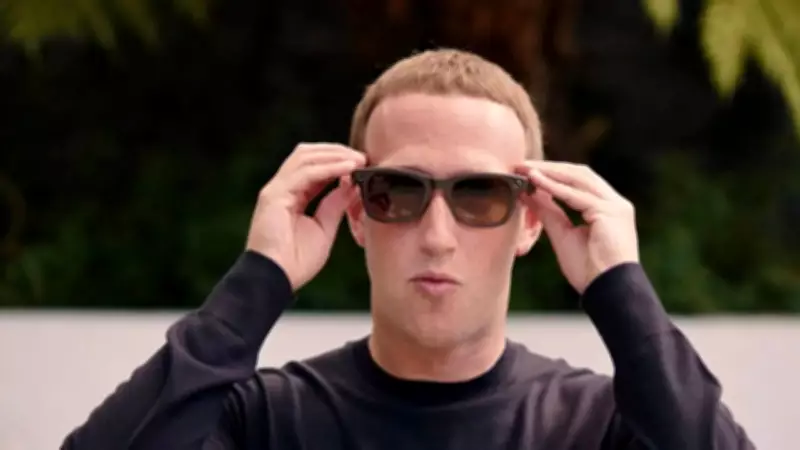
In a recent interview with YouTuber David Senra, Snap CEO Evan Spiegel has voiced significant concerns regarding the partnership between Facebook-parent Meta and eyewear giant EssilorLuxottica, the company behind the iconic Ray-Ban brand. Spiegel suggested that this collaboration, which has produced the Ray-Ban Meta AI smart glasses, may be more advantageous for Meta than for the premium eyewear manufacturer.
Meta's Brand Perception in Wearable Technology
Spiegel directly criticized Meta's brand perception within the smart glasses segment, stating that the social media giant needed to partner with Luxottica because the Meta brand is not something consumers want near their face. "I think Meta needed to partner with Luxottica because the Meta brand is not something that people want to put anywhere near their face. I think that Meta really needed the partnership," Spiegel emphasized during the interview.
He further elaborated that Meta has effectively camouflaged its brand through this association with Ray-Ban, a move he believes was necessary given that many people don't resonate with or like the Meta brand identity.

Potential Risks for EssilorLuxottica's Brand Positioning
The Snap CEO expressed particular concern about how this partnership might affect EssilorLuxottica's brand strategy and pricing model. "What's challenging for Luxottica is that they took like the most iconic, crazy-high-margin product and they destroyed the margin and then they associated with Meta," Spiegel noted.
He questioned whether this was the right brand choice for the eyewear company over the long term, suggesting that associating with Meta could potentially undermine the premium positioning that Ray-Ban has carefully cultivated in the market. "We'll see if that pans out over time, if that was the right brand choice for them," Spiegel added, highlighting the uncertainty surrounding the partnership's ultimate impact.
Meta's Strategic Approach to Smart Glasses
Meta has indeed relied heavily on the Ray-Ban name to anchor its smart glasses offerings, with branding often emphasizing the eyewear label over Meta's own identity. This approach underscores the critical role established consumer brands play in building trust within emerging product categories like wearable technology.
However, Meta continues to face privacy-related challenges in this space, particularly concerning user data handling and plans to incorporate features such as facial recognition technology. These concerns have created additional hurdles for widespread consumer adoption of smart glasses.
Competitive Landscape and Market Challenges
Spiegel's comments come as the broader smart glasses market becomes increasingly competitive, with technology giants including Google, Samsung, and Apple expected to expand their presence in this growing segment. While Meta has reported steady sales of its smart glasses so far, the long-term viability of its partnership with EssilorLuxottica remains uncertain.
Interestingly, despite his criticism of Meta's approach, Snap continues to face its own challenges with hardware products. The company's augmented-reality eyewear, Spectacles, has been available for several years but remains primarily targeted at developers and creative professionals rather than achieving mainstream consumer adoption.
Broader Implications for Wearable Technology
Spiegel's remarks contribute to an ongoing industry debate about branding, privacy concerns, and user acceptance of wearable technology as companies continue exploring ways to bring smart glasses into wider consumer use. The tension between established consumer brands and technology companies seeking to enter new product categories represents a significant strategic challenge across the wearable technology landscape.
As the market evolves, the success of partnerships like that between Meta and EssilorLuxottica will likely influence how other technology companies approach similar collaborations with established brands in different consumer product categories.