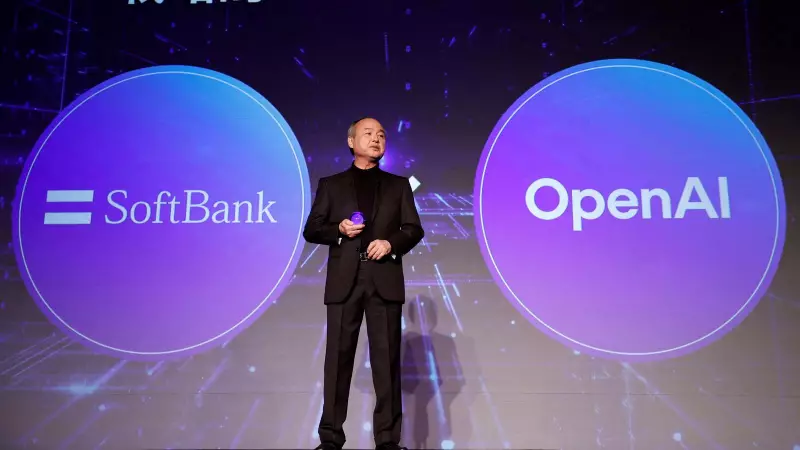
In a landmark deal reshaping the artificial intelligence landscape, Japan's SoftBank Group has finalised a colossal investment into the creator of ChatGPT. The technology conglomerate has completed a $4.1 billion investment in OpenAI, securing a significant minority stake in the pioneering AI research lab.
The Details of the Strategic Investment
The transaction, which was completed recently, grants SoftBank an approximate 11% stake in OpenAI. This investment is a clear signal of SoftBank's intensified focus and bullish outlook on the generative AI sector. The capital infusion is expected to fuel OpenAI's ambitious research and development projects, including the further advancement of its large language models and AI safety initiatives.
This move is spearheaded by SoftBank's founder and CEO, Masayoshi Son, who has been actively seeking transformative investments in AI following some setbacks in the tech investment arena. The deal underscores a strategic pivot for the Vision Fund, aiming to position SoftBank at the forefront of the next technological revolution.

Context and Competitive Landscape
This investment arrives at a pivotal moment in the global AI race. OpenAI, with its flagship products like ChatGPT and DALL-E, has been a frontrunner, attracting substantial backing from other tech giants, most notably Microsoft. SoftBank's entry as a major shareholder introduces a powerful new player into OpenAI's capital structure and governance.
The $4.1 billion commitment is among the largest single investments in an AI company to date. It provides OpenAI with substantial war chest to compete with rivals like Google's DeepMind, Anthropic, and other well-funded entities. For SoftBank, this is a cornerstone investment intended to anchor its portfolio in what it perceives as the most disruptive technology of the coming decade.
Implications for the Future of AI
The financial and strategic implications of this deal are profound. Firstly, it validates OpenAI's staggering valuation and its central role in the AI ecosystem. Secondly, it grants SoftBank a direct window into the core developments of generative AI, potentially offering synergies with its vast portfolio of technology companies across the globe, including many in India's thriving startup scene.
Analysts suggest this investment will accelerate the commercialization and deployment of AI technologies. With enhanced resources, OpenAI can push harder on making its AI tools more powerful, accessible, and integrated into various industries, from software development and content creation to scientific research and enterprise solutions.
However, such a large stake held by a single investment fund also raises questions about influence and the future direction of OpenAI, which was originally founded as a non-profit. The balance between pursuing cutting-edge research, maintaining safety standards, and achieving commercial success will be a key narrative to watch.
In conclusion, SoftBank's $4.1 billion bet on OpenAI is more than just a financial transaction; it is a strategic gambit that consolidates the alliance between massive capital and leading-edge AI innovation. This partnership is set to profoundly influence the speed and trajectory of artificial intelligence development worldwide for years to come.