AI Data Centers in Space: The Ambitious Vision and Its Formidable Obstacles
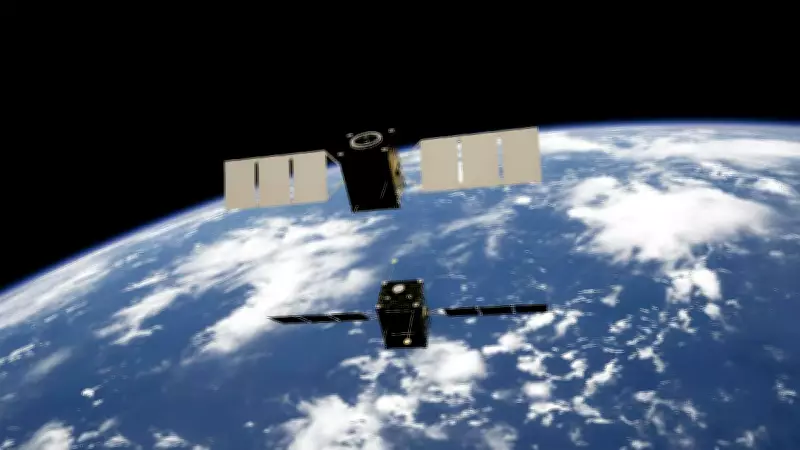
The concept of deploying artificial intelligence data centers in outer space has captured the imagination of technologists and environmentalists alike, with projections pointing toward potential implementation by 2026. This innovative approach aims to leverage the unique conditions of space to enhance computational efficiency and reduce the environmental footprint associated with terrestrial data centers. However, the path to realizing this vision is fraught with significant technical and environmental hurdles that must be meticulously addressed.
Technical Challenges: Overcoming the Harsh Realities of Space
Establishing AI data centers in space presents a myriad of technical obstacles that challenge current engineering capabilities. Radiation exposure stands as a primary concern, as cosmic rays and solar particles can severely damage sensitive electronic components, leading to data corruption and system failures. Unlike Earth, where the atmosphere provides a protective shield, space-based facilities would require advanced shielding technologies, which could increase weight and costs substantially.
Another critical issue is thermal management. In the vacuum of space, traditional cooling methods, such as air or liquid cooling, are ineffective. Data centers generate immense heat from processing, and without efficient dissipation, overheating could cripple operations. Innovative solutions, like radiative cooling or heat pipes, are under exploration, but their scalability and reliability in space remain unproven.

Additionally, power supply and maintenance pose significant challenges. Solar panels could provide energy, but their efficiency might be compromised by factors like orbital debris or prolonged eclipses. Moreover, remote maintenance and repairs in space are complex and costly, requiring autonomous systems or frequent human intervention, which is not feasible on a large scale.
Environmental Considerations: Balancing Innovation with Sustainability
While space-based AI data centers could potentially reduce Earth's energy consumption and carbon emissions, they introduce new environmental concerns. Space debris and pollution are major issues, as launching and operating these centers could contribute to the growing clutter in Earth's orbit. This debris poses risks to satellites and other space assets, potentially leading to collisions that exacerbate the problem.
The ecological impact of rocket launches cannot be overlooked. Frequent launches to deploy and maintain space data centers would release greenhouse gases and other pollutants into the atmosphere, counteracting some of the environmental benefits. Developing greener propulsion technologies is essential to mitigate this effect.
Furthermore, there are regulatory and ethical questions regarding the use of space resources. International agreements and policies must evolve to govern the placement and operation of such facilities, ensuring they do not harm the space environment or create conflicts among nations.
The Road to 2026: Feasibility and Future Prospects
As 2026 approaches, the feasibility of AI data centers in space hinges on overcoming these hurdles through collaborative efforts. Research and development in areas like radiation-hardened electronics, advanced cooling systems, and sustainable launch technologies are progressing, but significant breakthroughs are needed. Pilot projects and simulations could provide valuable insights, but full-scale deployment by 2026 remains ambitious.
In conclusion, while the idea of AI data centers in space offers exciting possibilities for technological advancement and environmental sustainability, the technical and environmental challenges are substantial. Addressing these issues will require innovation, international cooperation, and careful planning to turn this vision into a reality without compromising our planet or the space environment.