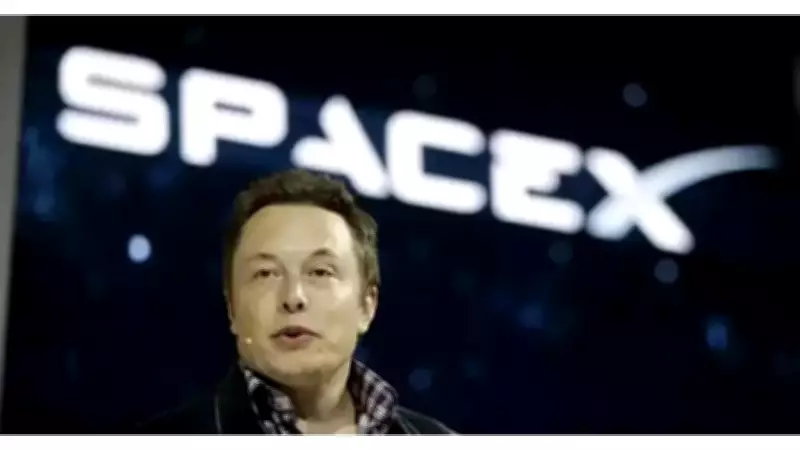
SpaceX is reportedly working on a compensation deal for Elon Musk that would make it impossible to remove him as the company's leader. According to a recent report by the Financial Times, Musk's pay could be linked to successfully colonising Mars. The package, which could be worth trillions of dollars, is designed to ensure Musk stays at the helm of the rocket company for the long term — and that SpaceX remains focused on its core mission of making humanity a multi-planetary species. Musk responded to the report on X, and did not deny it. Instead, he used the moment to explain exactly why he believes such a structure is necessary.
What Elon Musk Said
"Yes, I need to make sure SpaceX stays focused on making life multiplanetary and extending consciousness to the stars, not pandering to someone's bullshit quarterly earnings bonus!" Elon Musk wrote on X. He acknowledged the difficulty of what SpaceX is trying to do, but framed the potential reward in sweeping terms. "Obviously, IF SpaceX succeeds in this absurdly difficult goal, it will be worth many orders of magnitude more than the economy of Earth," he wrote, before adding a note of caution: "but don't expect entirely smooth sailing along the way."
Why This Deal Is Unusual
Most executive pay packages at major companies are tied to financial targets — revenue growth, profit margins, or share price performance. The SpaceX deal, as reported by the Financial Times, takes a dramatically different approach. Instead of quarterly or annual financial benchmarks, Musk's compensation would be linked to one of the most ambitious goals in human history: establishing a permanent human settlement on another planet. The guarantee that Musk cannot be fired is equally unusual. It would give him a level of job security that goes beyond what most corporate leaders — even founders — enjoy, effectively ensuring that no board or group of investors could remove him regardless of circumstances.

What It May Mean for SpaceX
SpaceX is reportedly targeting June 12 for Nasdaq IPO. The company is aiming to raise roughly $75 billion at a valuation of about $1.75 trillion, making what could become the biggest public listing ever. The structure of the reported deal between Musk and SpaceX suggests its leadership wants to keep it that way — private, long-term focused, and insulated from the kind of short-term financial pressures that shape decisions at publicly listed companies. Musk has long argued that the mission of making life multiplanetary is too important and too difficult to be managed around quarterly earnings calls. The reported pay deal appears to be a formal attempt to build that philosophy into the company's structure.