The glamorous world of corporate philanthropy among the elites tends to regard large-scale donations as mere matters of predictability in local status or brand building. We often assume that when a media baron or technology visionary commits an enormous sum to a prestigious institution, the transaction will follow conventional terms, such as creating a department at a university. However, this conventional approach ignores the huge structural challenges faced by the world's human systems every day. Before any international organization can implement health campaigns, address environmental degradation, or protect children, it must first bridge the gap between political priorities and financial capacity.
Systemic Capital Bridges for Global Operational Pressure
When a wealthy individual takes an unconventional route and invests their money into a giant bureaucracy like an intergovernmental organization—rather than a small boutique charity—they overturn the principles of conventional philanthropy. They convert their vast personal fortune into problem-solving infrastructure. According to an analysis in the Five Years and Five Hundred Seventy-Five Million Dollars Later UN Foundation Progress Report, this monumental commitment was deliberately designed to establish a dynamic financial network that operates in tandem with the international organization without prescribing specific goals. The report suggests that true international philanthropy creates connective tissue through partnerships, campaigns, and multi-sector alliances. By investing $1 billion in such a busy international network, the foundation independently supported vaccination programs, climate change studies, and education for girls in scores of developing nations.
Long-Horizon Institutional Velocity
The long-horizon institutional velocity of this approach is clearly described in the administrative report published within the United Nations. Tracking data shows that the historic donation not only survived initial media shock but evolved into a multi-decade sustainable model that continued to attract private interest and international funding. This approach strengthened the UN's capacity for health, environment, and education initiatives. The long-term impact demonstrates how private wealth can be a powerful force for international collaboration and human survival.

Long-Horizon Institutional Velocity of Distributed Humanitarian Investments
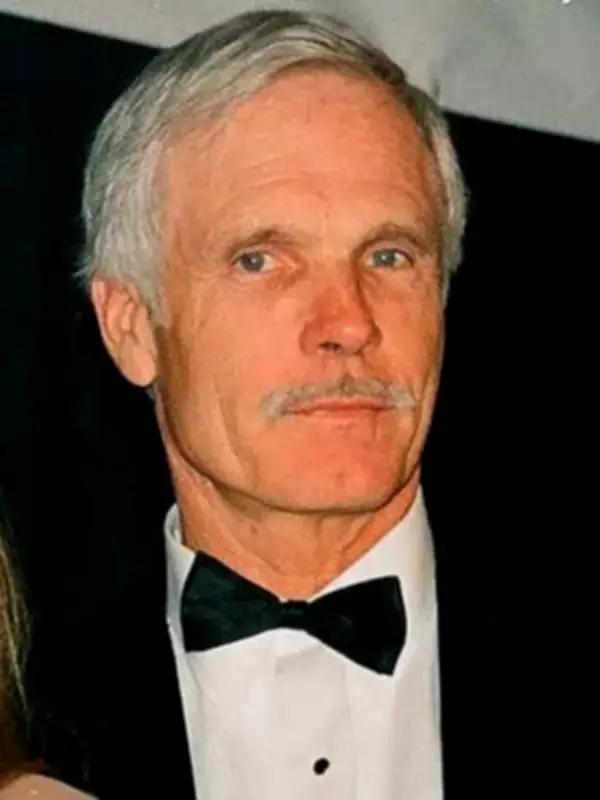
One of the greatest changes made by media mogul Ted Turner came when he adopted a systems-first approach and made a historic pledge of $1 billion to assist the United Nations. Rather than using his vast resources within his native country through corporate entities and trusts, he placed the money directly into a new system created to increase the UN's efficiency. While focusing on complexity rather than branding safety, this gargantuan gift in 1997 was structurally designed to strengthen an institution burdened with global diplomacy and peacebuilding. While the public often evaluates celebrity giving by the initial announcement check, the true breakthrough of this landmark pledge was its focus on international integration without pulling the institution from its core public mission. By fortifying a public multilateral system that handles volatile global emergencies, the initiative proved that private wealth can act as an elastic, enduring force multiplier for shared human survival.
There is a broader lesson: genuine international development cannot be manufactured through short-term ceremonial campaigns or isolated PR gestures; it must be built at the foundation by fortifying public agencies that absorb cross-border crises daily. When private wealth intentionally stabilizes and reinforces a multilateral public institution, the resulting operational improvements create a ripple effect that lifts pressure off adjacent civic networks and regional family structures. By using a huge fortune for practical purposes—not prestige but international collaboration—this historical approach altered modern financiers' thinking about civic obligations. Adjusting the contribution to the real dimensions of humanity's challenges proves that the true indicator of any gift is the level of security it provides to all humankind.