In a landmark decision that could reshape the future of transportation, Tesla shareholders have overwhelmingly approved Elon Musk's ambitious $1 trillion compensation package, effectively transforming the electric vehicle giant into a robotics powerhouse.
The $1 Trillion Vision
Tesla investors on Thursday gave their resounding approval to Musk's 10-year compensation plan, which only pays out in full if the CEO meets exceptionally ambitious targets that would fundamentally reinvent the company. The package requires Tesla to evolve from an electric car manufacturer into a dominant force in robotics and autonomous technology.
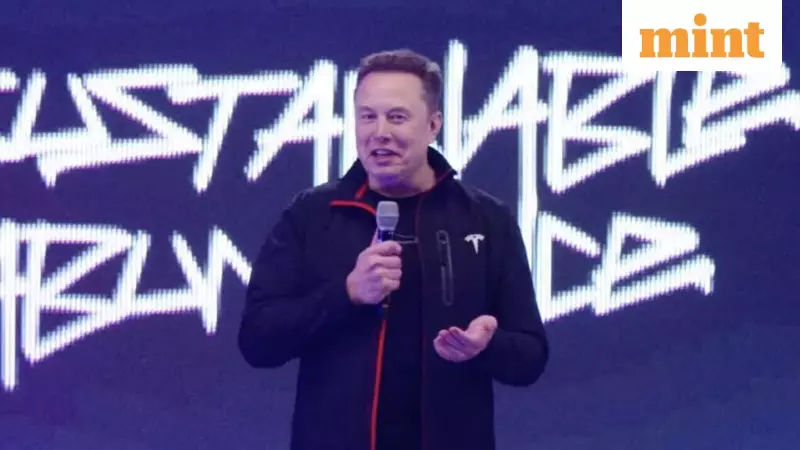
Speaking at Tesla's Investor Day in Austin, Texas, Musk declared this moment represents more than just a new chapter. "It's not just a new chapter for Tesla, it's a new book and that new book is massively increasing vehicle production," he told gathered investors. This statement carries particular significance as Musk used nearly identical words approximately 18 months ago when celebrating his previous compensation package, which was later suspended by a Delaware judge.

The Competition Heats Up
While Musk has been navigating compensation challenges and diversifying into other ventures like xAI and political engagements, Tesla's competitors have been steadily advancing their own autonomous vehicle strategies. The emerging reality of robotaxis looks substantially different from Musk's envisioned narrative.
In Austin itself, Uber Technologies has already integrated robotaxis into its ride-hailing service through a strategic partnership with Alphabet's Waymo. This collaboration, which began expanding to multiple U.S. cities in 2025, represents a pragmatic approach to bridging current technology with future aspirations. Uber abandoned its own troubled autonomous vehicle development efforts years ago and has since positioned itself as the platform where competing autonomous technologies can access its massive user base.
Sachin Kansal, Uber's chief product officer, explained the hybrid approach during Friday's "Bold Names" podcast: "These vehicles are expensive, and we need to make sure that they are utilized to the maximum possible, while managing through the peaks and troughs of demand. The number of vehicles you need at 8:30 a.m. on a weekday differs significantly from what you need at 3 p.m. the same day."
Fleet Management Realities
Uber's strategy addresses one of the most challenging aspects of autonomous vehicle deployment: optimizing fleet utilization and management. The company isn't just concerned with positioning vehicles for maximum revenue generation but also handling the operational complexities of maintaining a functional fleet.
Uber bears responsibility for ensuring robotaxis are properly maintained, cleaned, and ready for service—including handling forgotten items like backpacks left in vehicles. This operational expertise comes from years of managing both individual driver-owned vehicles and fleet operations, where approximately 20% of Uber vehicles are owned by fleets ranging from small operations to large enterprises with thousands of cars.
Kansal's team has developed sophisticated software to help fleets manage their operations, providing Uber with valuable insights into electric vehicle charging patterns and maintenance schedules—expertise directly applicable to managing autonomous vehicle fleets. Uber aims to become many people's first exposure to self-driving technology, mirroring their experience with electric vehicles where one in four Uber riders reported their first EV experience occurred in an Uber vehicle.
Tesla's Go-It-Alone Strategy
In contrast to Uber's partnership model, Musk has consistently advocated for Tesla to pursue an independent path. "Tesla has all of the ingredients necessary to offer a vast self-driving fleet, overnight," Musk asserted earlier this year. The company plans to populate its own ride-hailing app with Tesla vehicles owned by both customers and the corporation itself.

Tesla has demonstrated potential solutions to fleet management challenges through videos showcasing wireless charging stations and specialized robotic systems for vehicle cleaning, including mechanisms for retrieving forgotten items. However, despite years of promises, Tesla's fully autonomous fleet remains relatively small compared to established players.
During Thursday's investor meeting, Tesla reaffirmed that its Austin robotaxis, launched in June, should achieve unsupervised operation by year's end—a milestone Waymo accomplished years ago. "Now that we believe we have autonomy solved, or at least are within a few months of having unsupervised autonomy at reliability significantly better than human drivers, it's time to ramp up production," Musk stated.
Tesla aims to dramatically increase production, targeting approximately 50% growth by end of next year to reach annualized production rates of 2.6-2.7 million vehicles. The company projects further expansion to 4 million by end of 2027 and 5 million the following year.
If Musk can deliver on these ambitious targets, it would indeed represent an extraordinary chapter in Tesla's evolving story. But for those experiencing déjà vu given similar past promises, there's a crucial difference: Musk now has one trillion reasons to ensure this story reaches its conclusion.