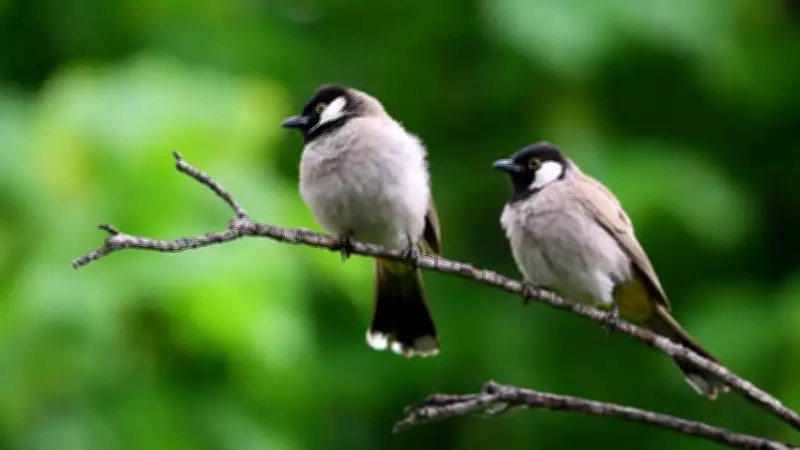
Recent research has unveiled a surprising pattern in urban bird behavior: birds in cities appear to be more fearful of women than men. This finding has intrigued scientists, who are now exploring the reasons behind this phenomenon. The study, published in the British Ecological Society, titled 'Sex matters: European urban birds flee approaching women sooner than approaching men,' measured the 'flight initiation distance'—how close a person can get before a bird flies away. Results consistently showed that birds allowed men to approach more closely than women across multiple urban bird species.
How the Study Was Conducted
Researchers conducted controlled experiments across various European cities, involving participants approaching birds under standardized conditions. Variables such as walking speed, orientation, and positioning were kept constant to ensure accurate results. Despite these precautions, birds consistently showed greater apprehension towards women. The study included diverse bird species, indicating that this behavior is not random but part of a broader pattern.
Potential Explanations for the Behavior
While the behavioral pattern is clear, the scientific explanation remains elusive. Experts have proposed several possibilities, including differences in body structure, walking posture, voice frequency, or even subtle olfactory cues. However, no single factor has been confirmed, leaving scientists puzzled. The study highlights the complexity of animal behavior and the many unknown factors influencing wildlife interactions with humans.

Implications and Future Research
Understanding how urban wildlife perceives humans is crucial as cities expand. This research underscores the need for further studies to identify the specific cues birds are responding to. The findings challenge previous assumptions about animal behavior in urban settings and open new avenues for exploring human-animal interactions. Scientists emphasize that more work is needed to unravel the mechanisms behind this gender-based response.