

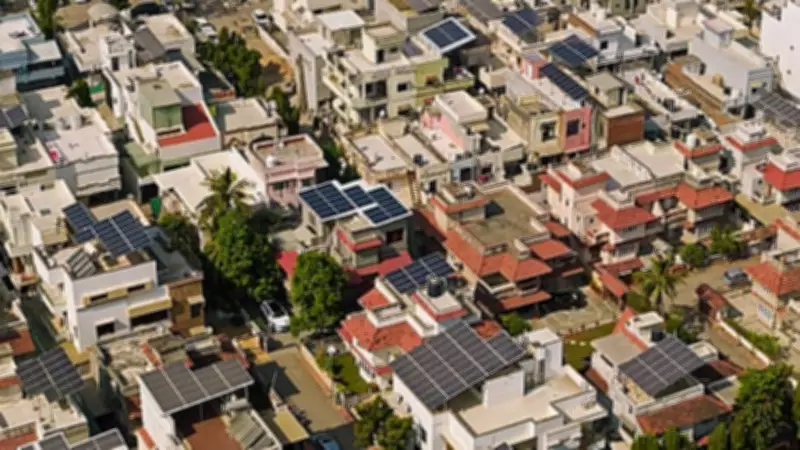
Urban India's record-breaking power demand is exacerbating the urban heat island effect, trapping heat and making cities even hotter. According to recent data, electricity consumption in major cities has surged to unprecedented levels, driven by increased use of air conditioners and other cooling devices during heatwaves. This surge in energy use releases waste heat into the environment, further raising local temperatures.
Record Power Consumption
India's peak power demand crossed 250 GW in June 2024, a historic high. Urban centers like Delhi, Mumbai, and Bengaluru accounted for a significant portion of this demand. The increased load strains the power grid and contributes to localized warming. Studies show that waste heat from air conditioning can raise nighttime temperatures by up to 1-2 degrees Celsius in dense urban areas.
Urban Heat Island Effect
The urban heat island effect occurs when cities replace natural land cover with buildings and infrastructure that absorb and retain heat. Power generation and consumption add to this effect. As cities grow and power demand rises, the heat island intensifies, creating a vicious cycle: higher temperatures lead to more cooling demand, which in turn generates more heat.

Future Projections
Experts warn that without intervention, this trend could worsen. Climate change is expected to increase the frequency and intensity of heatwaves, further driving up power demand. By 2030, India's peak power demand could exceed 300 GW. Unless energy efficiency measures and urban planning strategies are implemented, cities could become uninhabitable during extreme heat events.
Mitigation Strategies
To break the cycle, experts recommend a combination of measures: improving building insulation, promoting energy-efficient appliances, expanding green spaces, and adopting cool roofs. Additionally, shifting to renewable energy sources can reduce waste heat from power generation. Urban planning should prioritize reducing heat absorption and improving air circulation.
The situation calls for urgent action. As India urbanizes rapidly, addressing the link between power demand and urban heat is critical for sustainable development and public health.






