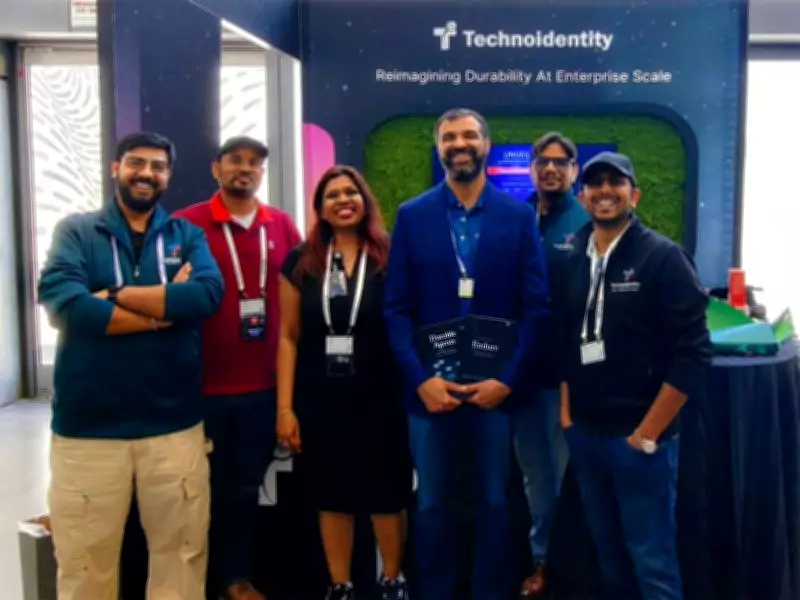
In a thought-provoking analysis, Venkat Chitturi, a seasoned technology leader, has released two new books that delve into the paradox of artificial intelligence: why AI pilots frequently succeed but large-scale enterprise deployments often fail. The books, titled 'Durable Product Engineering: The Key to AI Success' and 'From Pilot to Production: Bridging the AI Gap,' make a compelling case for a shift in focus from flashy prototypes to robust, scalable engineering practices.
The AI Pilot Paradox
Chitturi argues that the success of AI pilots is often deceptive. These small-scale projects are typically run in controlled environments with hand-picked data, ample resources, and the best talent. However, when the same AI solution is deployed across an enterprise, it encounters real-world complexities such as data silos, legacy systems, and varying user adoption rates. The result is a high failure rate for enterprise AI deployments, which Chitturi estimates at over 80%.
Root Causes of Failure
The books identify several root causes for this failure. First, there is a lack of durable product engineering, which means that AI solutions are not built to withstand the test of time and scale. Second, there is often a disconnect between the AI team and the business stakeholders, leading to solutions that do not address real business needs. Third, organizations tend to underestimate the importance of data governance and quality, which are critical for long-term AI success.

The Case for Durable Product Engineering
Chitturi's books advocate for a new approach called 'durable product engineering.' This methodology emphasizes building AI systems that are not only intelligent but also resilient, maintainable, and adaptable. Key principles include modular architecture, continuous integration and deployment, rigorous testing, and a focus on user experience. By adopting these principles, organizations can increase the likelihood of successful AI deployments.
Practical Insights and Case Studies
The books are filled with practical insights and real-world case studies from various industries, including healthcare, finance, and manufacturing. For example, one case study highlights how a financial services company successfully deployed an AI-powered fraud detection system by following durable product engineering practices. Another case study shows how a healthcare provider avoided common pitfalls when implementing an AI diagnostic tool.
Conclusion
Venkat Chitturi's new books serve as a wake-up call for organizations that are eager to jump on the AI bandwagon without considering the long-term implications. By making the case for durable product engineering, Chitturi provides a roadmap for turning AI pilots into scalable, sustainable enterprise solutions. As AI continues to transform industries, these insights are more relevant than ever.