World Health Day 2026: The Critical Limitations of AI Chatbots in Healthcare
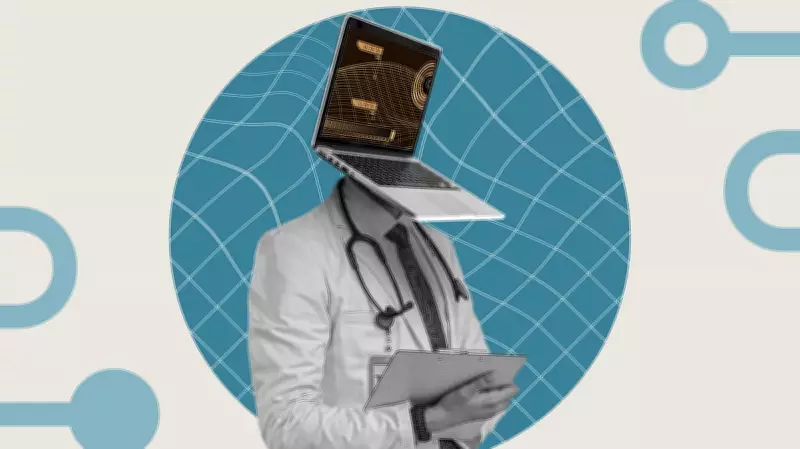
As World Health Day 2026 approaches, a significant shift is occurring in how Indians approach healthcare, marked by an increasing reliance on artificial intelligence. However, experts are raising urgent concerns about the role of AI chatbots, arguing that they cannot and should not replace human doctors. This growing dependency on technology is reshaping patient interactions, but it comes with profound implications for medical accuracy, empathy, and overall care quality.
The Rising Trend of AI in Indian Healthcare
In recent years, artificial intelligence and machine learning have made substantial inroads into India's healthcare sector. From diagnostic tools to virtual assistants, AI applications are becoming more prevalent, offering convenience and accessibility to patients. Many Indians now turn to AI chatbots for initial medical advice, symptom checking, and health information, driven by factors such as digital penetration, cost considerations, and the desire for quick responses.
This trend reflects a broader global movement towards tech-driven healthcare solutions, but in India, it is particularly notable due to the country's large population and diverse healthcare needs. The integration of AI aims to address gaps in medical services, especially in remote areas where access to doctors is limited.

Why AI Chatbots Fall Short as Doctors
Despite their advancements, AI chatbots face several critical limitations that prevent them from being effective substitutes for human doctors. First, they lack the nuanced understanding and contextual judgment that human physicians possess. Medical conditions often involve complex symptoms and patient histories that require empathetic interpretation, something AI struggles to replicate.
Second, AI systems are only as good as the data they are trained on. Inaccuracies or biases in this data can lead to incorrect diagnoses or recommendations, posing serious risks to patient safety. Unlike human doctors, chatbots cannot adapt to unique patient circumstances or provide personalized care based on emotional cues.
Moreover, healthcare involves more than just diagnosis; it includes building trust, offering emotional support, and making ethical decisions. AI chatbots, by their nature, are incapable of forming the human connections that are essential for effective treatment and patient well-being.
The Importance of Human Touch in Medicine
On World Health Day 2026, the focus should be on balancing technology with the irreplaceable value of human doctors. While AI can assist in areas like data analysis and administrative tasks, it cannot emulate the compassion, intuition, and ethical reasoning that define good medical practice. Human doctors bring years of training, experience, and the ability to consider holistic factors that AI overlooks.
Patients benefit from face-to-face interactions where doctors can observe non-verbal cues, ask probing questions, and provide reassurance. This human touch is crucial for managing chronic diseases, mental health issues, and complex medical cases where empathy and understanding are as important as technical knowledge.
Looking Ahead: A Collaborative Future
As India continues to embrace artificial intelligence in healthcare, the goal should not be to replace doctors but to enhance their capabilities. AI chatbots can serve as valuable tools for preliminary screenings, health education, and routine inquiries, freeing up doctors to focus on more critical tasks. However, they must be used responsibly, with clear guidelines to ensure patient safety and quality care.
On this World Health Day, let us remember that technology should complement, not compete with, human expertise. By fostering a collaborative approach, we can leverage AI's strengths while upholding the standards of medical practice that only human doctors can provide.