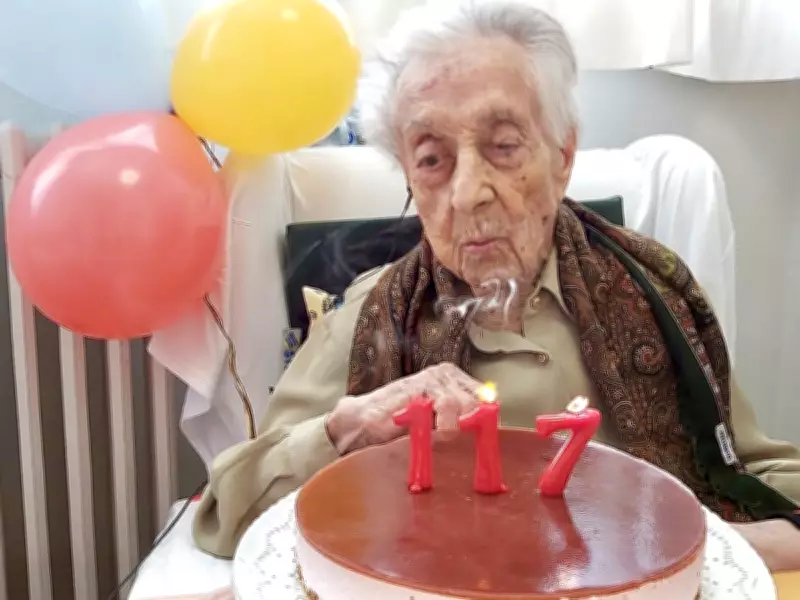
Imagine celebrating a 117th birthday with a sharp mind, a strong heart, and enough energy for daily walks. For Maria Branyas Morera, this was not just a wish but her reality. While many associate aging with inevitable decline, Maria proved that the human body can age according to a timetable without internal deterioration.
Scientific Investigation into Longevity
Before her passing, scientists were fascinated by her life, aiming to understand how she lived more than three decades beyond the average life expectancy for women in Catalonia. Their findings have reshaped our understanding of longevity, demonstrating that a long life does not necessarily mean a lifetime of illness.
The Molecular Clock Running in Reverse
To unravel the secrets of her resilience, researchers from the Josep Carreras Leukaemia Research Institute conducted a multi-omics analysis of her biopsies. The results, published in Cell Reports Medicine, revealed that Maria's internal chemistry resembled that of a much younger person. The team used advanced epigenetic clocks, which determine biological age by examining chemical tags on DNA. Across six biological tests, Maria's tissues consistently appeared 10 to 30 years younger than her chronological age. A specific clock measuring ribosomal DNA suggested that her cells functioned like those of a woman in her mid-90s.

Remarkably, her body displayed unexpected traits. Her telomeres—protective caps at the ends of chromosomes that typically shorten with age—were extremely short. While short telomeres often signal impending disease in most people, researchers speculate that in Maria's case, these worn-down caps may have protected her from cancer by limiting cell division and uncontrolled growth.
A Childlike Microbiome and Daily Habits
Beyond her exceptional genetics, Maria's lifestyle created an internal environment that doctors now aim to replicate for patients. One of the most significant findings was the health of her gastrointestinal tract. Her microbiome resembled the diverse bacterial community typically found in infants and children, with high levels of Bifidobacterium, a beneficial bacterium that naturally declines with age and helps minimize inflammation throughout the body.
Her gut health was closely linked to her lifestyle. Maria adhered to a strict Mediterranean diet, consuming vegetables, olive oil, legumes, and small portions of seafood daily. Her secret weapon was yogurt: she ate three cups of plain yogurt every day. The live bacteria in these yogurts, including Streptococcus thermophilus and Lactobacillus delbrueckii, acted as natural fuel, promoting a youthful microbial community.
Lessons for the Rest of Us
Maria's lifestyle directly influenced her blood chemistry in ways that would please any cardiologist. She maintained very low levels of triglycerides and low-density lipoprotein cholesterol, along with high levels of protective high-density lipoprotein cholesterol. Additionally, she showed minimal signs of chronic inflammation, a major driver of cardiovascular disease and cognitive decline in older adults.
Although Maria possessed unique genetic variations that gave her robust immunity and strong cellular function, her experience underscores the profound impact of daily routines. She did not smoke, abstained from alcohol, exercised throughout the day, and remained actively engaged with people, gardening, and animals.
While we cannot change our genetic fate, Maria's remarkable journey proves that daily choices regarding diet, movement, and emotional connections significantly influence how we age. Her legacy includes a molecular map demonstrating that aging can be a healthy and enjoyable process rather than a burden.