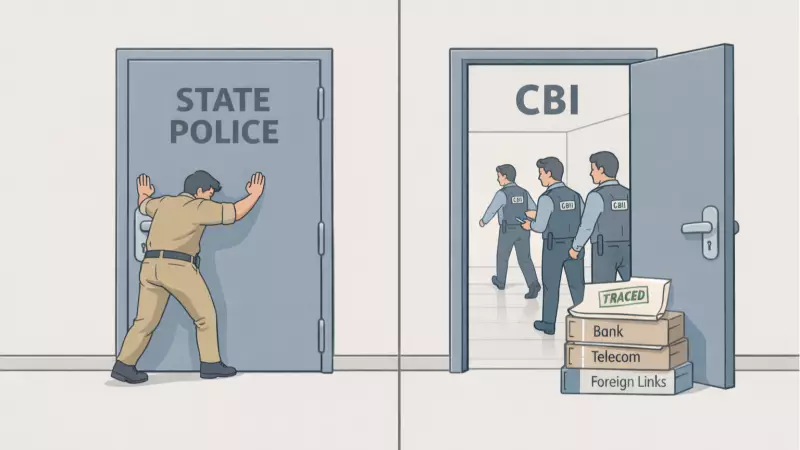
As 2024 draws to a close, India confronts a cybercrime crisis of staggering scale, with criminals operating across borders with alarming speed and sophistication. A recent analysis reveals the devastating financial and human cost of this epidemic, which saw citizens lose an estimated ₹23,000 crore in the last year alone. The speed of these transnational crimes has historically outpaced law enforcement, creating a landscape where fraudsters act with near impunity.
The Human Toll Behind the Staggering Statistics
The financial loss, while colossal, only tells part of the story. The true impact is measured in shattered lives. Earlier this year, a doctor from Gujarat was subjected to a harrowing three-month "digital arrest" where criminals kept her under constant video surveillance. In this prolonged ordeal, she was manipulated into losing a devastating Rs 19 crore.
In another tragic case, a former Inspector General of Police in Punjab fell victim to an elaborate investment scam. He was defrauded of over Rs 8 crore. The profound shock and distress from this betrayal led the retired officer to take his own life, shooting himself in the chest. These incidents underscore that no one, not even medical professionals or seasoned police officers, is beyond the reach of these ruthless syndicates.

The "Digital Arrest" Tactic and Legal Challenges
A common and terrifying method used by these criminals involves impersonating law enforcement or central security officials. Pretending to be police, CBI, or narcotics officers, they use fear, panic, and psychological manipulation to convince victims they are under a "digital arrest" and must pay to avoid legal consequences. While Indian law does not formally recognize this term, cases are reported daily from across the nation, with fraudsters wiping out savings accounts in a matter of hours.
The transnational nature of these crimes presents a significant hurdle. Cybercriminals often operate from overseas locations, making jurisdiction, investigation, and asset recovery incredibly complex for domestic police forces. This lag between the crime and the legal response has been a key enabler for the fraudsters' success.
An Epidemic Demanding a Unified Response
The sheer volume and brutality of these scams signal a national emergency in cyberspace. The tactics are constantly evolving, becoming more bizarre and aggressive, with targets now including every demographic. The combination of sophisticated social engineering and the anonymity provided by cross-border operations has created a perfect storm.
Addressing this requires more than individual vigilance. It demands enhanced international cooperation, faster legal and diplomatic channels for cross-border policing, and significant public awareness campaigns about these specific modus operandi. The fight is shifting from merely reacting to crimes to proactively disrupting the networks that enable them, a crucial step in stemming the tide of this ₹23,000 crore epidemic.