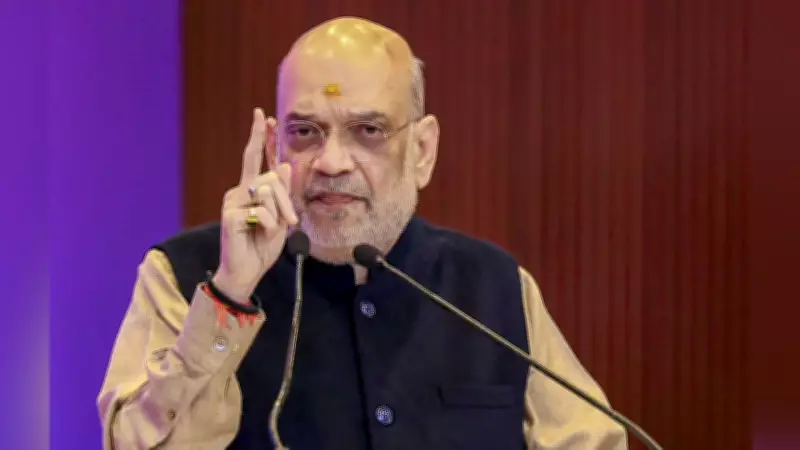
Amit Shah Sounds Alarm on Cybercrime: 100 Victims Every Hour, a National Crisis in the Making
Union Home Minister Amit Shah issued a stark warning on Tuesday, declaring that cybercrime has escalated into a full-fledged organized industry, with one person falling victim every 37 seconds. On average, this translates to 100 individuals affected every hour, highlighting what he described as a burgeoning national crisis that demands urgent and coordinated action.
Digital Growth and Escalating Risks
In his keynote address at the conference "Tackling Cyber-Enabled Frauds & Dismantling the Ecosystem," organized jointly by the Central Bureau of Investigation (CBI) and the Indian Cyber Crime Coordination Centre (I4C) in New Delhi, Shah emphasized the rapid expansion of India's digital landscape. He noted that 11 years ago, India had only 250 million internet users, but today, that number has soared past 1 billion, positioning the country at the forefront of global digital transactions.
"Every second digital transaction in the world is taking place in India," Shah stated, underscoring the critical need to secure these transactions as a top priority. However, he cautioned that as digital transactions have grown exponentially, so too have the associated risks, with cybercriminals evolving from simple manual hacking to sophisticated automated techniques.

From Lone Attacks to Organized Industry
Shah detailed how cybercrime has transformed from isolated lone wolf attacks into systematic criminal operations. "Cybercrime has now become an industry where bank accounts are bought and sold as a service," he explained, stressing that criminals continuously adopt new technologies, necessitating collective and sustained efforts to stay ahead.
He revealed alarming statistics: from January 2020 to November 30, 2025, the I4C reporting portal was accessed over 230 million times, with more than 8.2 million cybercrime complaints registered. Of these, 184,000 were converted into First Information Reports (FIRs), and a significant number were resolved effectively. By December 31, 2025, approximately 62 banks and financial institutions had joined the I4C mechanism to combat these threats.
Significant Achievements and Ongoing Challenges
The Home Minister highlighted some successes in the fight against cybercrime. Through 361,000 complaints, the Centre has safeguarded Rs 8,189 crore, with estimates suggesting total fraud amounts around Rs 20,000 crore. Additionally, by December 2025, the Ministry of Home Affairs had cancelled over 12 lakh suspicious SIM cards and blocked the IMEI numbers of more than three lakh mobile devices, leading to the arrest of 20,853 accused persons.
However, Shah pointed out that cybercrime complaints have risen from 52,000 in 2021 to 86,000 currently, indicating a persistent challenge. "If we do not take adequate steps, cyber fraud would not have remained just an ordinary crime, but would have turned into a national crisis," he warned, calling for simultaneous and urgent action from all stakeholders.
Call for Enhanced Coordination and Awareness
Shah urged improved coordination between banks and I4C, along with strengthened awareness campaigns and the identification of call centers operating both domestically and abroad. He also emphasized the importance of the 1930 helpline, which has proven effective in assisting victims, but requested that all police units ensure sufficient call handlers are deployed to prevent delays.
"If a victim's call is not answered even after ringing several times, by then their money is gone, and it places a serious question mark on the credibility of 1930," he noted, highlighting the need for rapid response times to maintain trust in the system.
In conclusion, Amit Shah's address serves as a clarion call for a unified approach to tackle the escalating threat of cybercrime, framing it not just as a law enforcement issue but as a critical national security concern that requires immediate and collective action to safeguard India's digital future.