The Dark Side of Digital Romance: Dating Apps Turn Into Crime Hubs
In cities spanning from Jaipur and Bengaluru to Delhi and Mumbai, dating apps have revolutionized how people connect, promising instant companionship and chemistry. However, a disturbing trend is emerging as these platforms become breeding grounds for serious crimes. Investigators across India are documenting a chilling pattern: fake identities, emotional manipulation, engineered isolation, followed by extortion, assault, blackmail, or even murder. What begins as a casual swipe often spirals into life-threatening situations, with police warning that the initial online meeting is frequently where the danger starts.
From Flirtation to Fatal Traps: Real-Life Horror Stories
The transition from digital flirtation to offline encounters—such as dinner dates, private flat visits, late-night drives, hotel rooms, or intimate video calls—creates a false sense of trust. Victims, disarmed by curated bios and filtered photos, lower their guard. Authorities note that many crimes follow a calculated sequence: suspects build rapport, shift conversations to private channels like WhatsApp, and push for in-person meetings or explicit video interactions. Once the victim is isolated physically or digitally, the tone shifts abruptly to demands, threats, and coercion.
The Tinder Trap: A Lie That Ended in a Suitcase

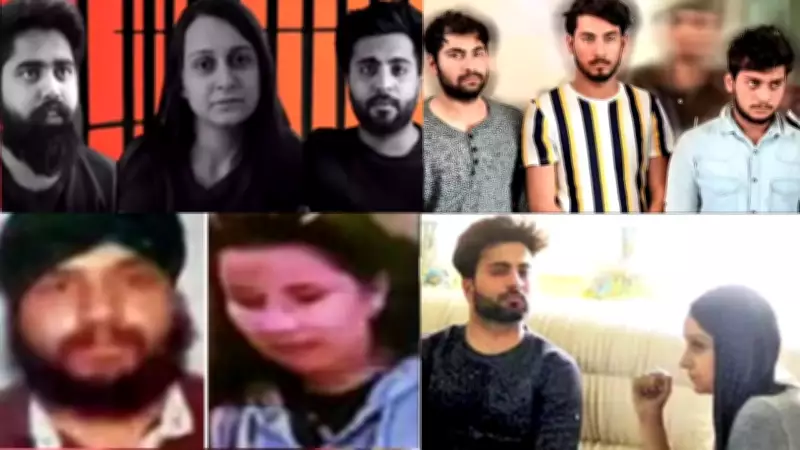
In a tragic case from Jaipur, 27-year-old trader Dushyant Sharma created a fake persona named Vivan Kohli on Tinder to impress others. On May 3, 2018, his body was found stuffed in a suitcase dumped along the Jaipur-Delhi highway. Sharma had been chatting for three months with Priya Seth, who police identified as the kingpin of a rape-and-blackmail racket. After luring him to a flat in Bajaj Nagar Enclave, Priya, along with accomplices Dikshant Kamra and Lakshya Wallia, tied him up and demanded Rs 10 lakh. When Sharma confessed he was not wealthy, they received partial ransom but killed him out of fear of exposure, stabbing him to death after a failed strangulation attempt.
The AI Girlfriend Who Wasn't Real
In Bengaluru, a 22-year-old cloud engineer fell victim to a sextortion racket after matching with a profile named Ishani on a dating app. Moving to WhatsApp, he received a video call where he was coaxed into stripping, unaware he was being recorded. The fraudsters, using an AI-generated video, demanded money and threatened to leak the footage. Panicked, he transferred Rs 1.5 lakh in multiple transactions. Police highlight that such cases are rising, with victims often believing the person on video is genuine, leading to severe financial and emotional harm.
Violence and Extortion: A Recurring Theme
A First Date and a Deadly Decision
In Delhi, a meeting between Faeem, a technician, and Sakendra, a labourer, via a dating app turned fatal. After a sexual encounter, Sakendra allegedly recorded intimate videos and blackmailed Faeem, who strangled him in panic. The body was found decomposed in a DLF Place house, with police booking Faeem under murder charges.
From Zurich Romance to a Roadside Dump in Delhi
Swiss national Nina Berger traveled from Zurich to Delhi after connecting with Gurpreet Singh on a dating app in 2021. Singh, who had proposed marriage multiple times, allegedly killed her after she refused. He tied her hands and legs with chains, strangled her, and dumped her body outside a school in Tilak Nagar, leading to his arrest through CCTV evidence.
When Fear of Exposure Became a Weapon
In Varachha, a 52-year-old diamond worker responded to a message on a gay dating app, only to be lured by three teenagers who threatened to expose his sexual orientation. After he claimed to have no cash, they brutally assaulted him, leading to his death from injuries days later. The case highlights how stigma can silence victims, with police arresting the accused post-mortem.
Organized Crime and Scams on Dating Platforms
Six-Month Honeytrap Racket on Gay App Ends

Police in Noida busted a five-member gang that used fake profiles on a gay dating app to honeytrap at least 10 people, including senior corporate executives. Over six months, they lured victims to desolate locations or their homes, robbing them of jewellery, cash, and luxury items. Many victims avoided reporting due to social stigma, with police recovering assets worth Rs 30 lakh and arresting the gang after a shootout.
Conned at First Sight: UPI Trail Exposes Dating App Racket
In Mumbai, a racket involving 21 arrests—including six women—targeted men through dating apps. Women would invite targets to restaurants, where staff generated inflated bills up to Rs 35,000 and threatened them into paying. The scam unraveled when a victim in Borivli called police, revealing UPI payments to personal IDs instead of restaurant accounts.
The Model Who Wasn't: Virtual Number, Fake Profile, Real Threats
A Delhi University student was blackmailed by a man posing as a US-based freelance model on a dating app. After sharing private content, he demanded money and threatened to leak it. Police identified the accused as Tushar Bisht, who used virtual numbers and stolen images to extort hundreds of girls, admitting to starting for amusement but continuing out of greed.
A Pattern Emerging: Red Flags and Police Warnings
Across these cases, investigators emphasize consistent red flags:
- Fake identities crafted to impress and deceive.
- Emotional manipulation designed to disarm victims.
- Engineered isolation through private channels or in-person meetings.
- Extortion, violence, or murder when fear of exposure sets in.
Police across states caution that while dating apps facilitate genuine connections, they are increasingly exploited by criminals leveraging anonymity, technology, and stigma. As one officer noted, Many people believe the person on the video call is genuine and live, which leads them into trouble. Behind the filters and curated bios, predators lie in wait, turning what should be a simple swipe into irreversible consequences. Users are urged to exercise extreme caution, verify identities, and report suspicious activities to authorities immediately.