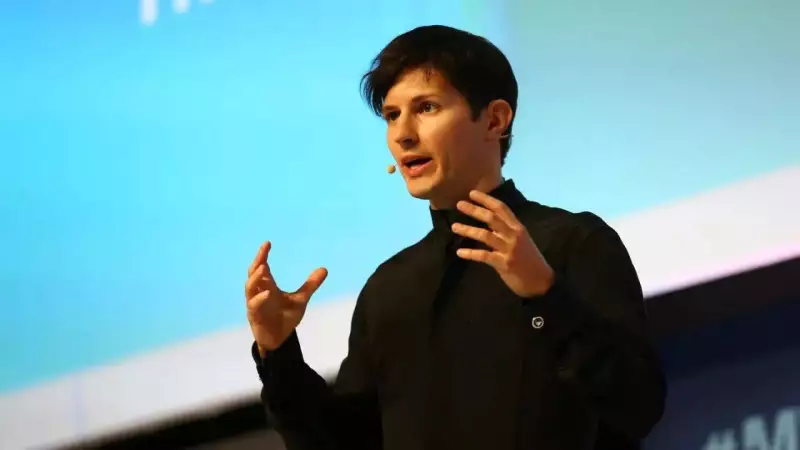
Telegram CEO Pavel Durov has launched a scathing attack on WhatsApp's security, stating that one would have to be "braindead to believe WhatsApp is secure." The Russian billionaire's comments come as a class-action lawsuit against Meta-owned WhatsApp unfolds in San Francisco, alleging the platform accesses users' messages despite promises of end-to-end encryption (E2EE).
Durov's X Post Highlights WhatsApp Encryption Concerns
In a post on X (formerly Twitter), Durov wrote, "You'd have to be braindead to believe WhatsApp is secure in 2026. When we analyzed how WhatsApp implemented its 'encryption', we found multiple attack vectors." He cited Telegram's internal analysis, which reportedly revealed unspecified "attack vectors" in WhatsApp's encryption implementation. However, no public details have been provided, while WhatsApp's Signal Protocol has undergone independent audits confirming default E2EE.
Elon Musk Joins Criticism of WhatsApp
Durov was joined by Elon Musk in criticizing the instant messaging app. The Tesla CEO shared a post on X, writing, "WhatsApp is not secure. Even Signal is questionable. Use X Chat." Musk was responding to a post by DogeDesigner that quoted a Bloomberg report about the lawsuit against Meta.

Lawsuit Challenges Meta's E2EE Marketing Claims
As reported by Bloomberg, an international group of plaintiffs has filed a lawsuit in the US District Court for Northern California. The lawsuit challenges Meta's marketing of the E2EE feature, a security standard that the company claims protects messages on the app and ensures only the sender and recipient can read them.
The lawsuit alleges that Meta's privacy claims are false, stating that WhatsApp "store, analyze, and can access virtually all of WhatsApp users' purportedly 'private' communications." The plaintiffs represent users from India, Brazil, Australia, Mexico, and South Africa. It also claims that the company retains the ability to decrypt and review message content for data analysis and internal monitoring.
Meta's Response to the Allegations
Calling the allegations "frivolous" and "absurd," Meta spokesperson Andy Stone confirmed that Meta will seek legal sanctions against the plaintiffs' counsel for bringing the case forward. In an emailed statement to Bloomberg, Stone said, "Any claim that people's WhatsApp messages are not encrypted is categorically false. WhatsApp has been end-to-end encrypted using the Signal protocol for a decade. This lawsuit is a frivolous work of fiction."
The controversy highlights ongoing debates over digital privacy and encryption standards, with key tech figures weighing in on the security of widely used messaging platforms.