Haryana Police Chief Flags Artificial Intelligence as Emerging Law Enforcement Challenge
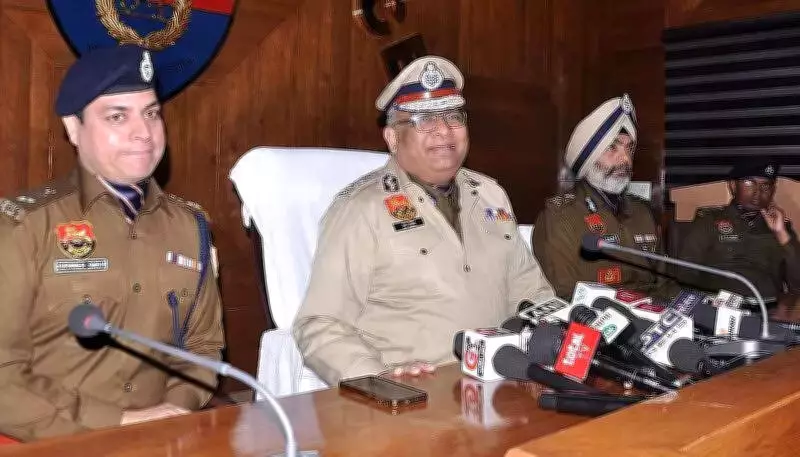
Rohtak: Haryana Director General of Police (DGP) Ajay Singhal on Friday identified artificial intelligence (AI) as a potential new frontier of threats facing law enforcement agencies. While acknowledging that social media continues to present significant challenges, Singhal emphasized that AI could soon emerge as the next major disruptor, necessitating proactive preparation from police forces across the state.
Comprehensive Strategy in Development to Counter Technological Threats
The state police are actively working on formulating a comprehensive plan to address the complexities introduced by advanced technologies like AI. Singhal, who was in Rohtak to review the law and order situation, held detailed discussions with senior police officers during his visit. The meeting included the Rohtak range inspector general of police (IG) and superintendent of police (SP), focusing on evolving security protocols.
Gangster Menace and Technological Intimidation Tactics
Addressing media representatives, the DGP highlighted that the gangster problem remains a persistent statewide challenge. Criminals are increasingly leveraging technology to intimidate citizens and orchestrate illegal activities. "Today, threats are being issued using technology. We worked out a plan to deal with gangsters, and because of that, threat-related cases came down by about 40%," Singhal revealed, underscoring the effectiveness of targeted strategies.

The police have achieved notable successes in this domain, with 25 gangsters being deported and legal proceedings underway against two additional individuals. This demonstrates a concerted effort to dismantle criminal networks operating within and beyond state borders.
Evolution of Policing Methods with Technological Advancements
Reflecting on the transformative journey of law enforcement over the decades, Singhal noted that policing methodologies have consistently evolved alongside technological shifts. "When I joined in 1992, policing was different. When the internet came in 1995, the police adapted. Today, the way police work has changed again. As technology changes, our methods must change too," he stated, emphasizing the necessity of continuous adaptation.
Preventive Measures and Youth Rehabilitation Initiatives
Beyond reactive measures, the Haryana Police are implementing preventive strategies to steer youth away from criminal pathways. Singhal stressed the importance of conveying that crime ultimately leads to incarceration, aiming to deter potential offenders. Villages and specific pockets with relatively higher incidences of gangster activity and crime are being systematically identified.
This identification enables targeted interventions where young individuals can receive counselling and be integrated into mainstream society, reducing recruitment into criminal enterprises.
Crackdown on Online Gun Culture and Violent Content
On the issue of harmful online content, DGP Singhal raised concerns about the growing promotion of gun culture through social media platforms and songs that glorify violence. The police have already taken decisive action by getting 67 gun-culture songs banned, and they remain committed to responding swiftly as new challenges emerge in the digital space.
This multi-pronged approach—combating existing gangster networks, preparing for future AI-related threats, rehabilitating at-risk youth, and regulating dangerous online content—illustrates Haryana Police's comprehensive strategy to maintain law and order in an increasingly complex technological landscape.