India Demands Strict Deepfake Regulation, Tech Giants Must Comply: Vaishnaw
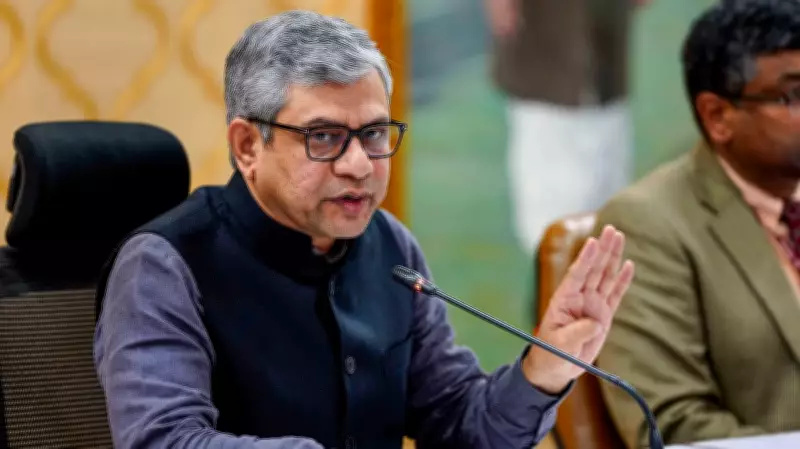
Union Minister Ashwini Vaishnaw has issued a strong call for much more robust regulation on deepfake technology, revealing that the government is actively engaged in discussions with industry stakeholders. The minister emphasized that any company operating in India, regardless of its global stature, must strictly abide by the nation's legal framework and the Constitution of India.
Tech Giants Under Scrutiny
In a clear directive, Vaishnaw specifically named major platforms including Netflix, YouTube, Meta, and X, stating unequivocally that these companies are not exempt from Indian laws. This statement comes amid growing concerns about the proliferation of deepfakes—synthetic media created using artificial intelligence that can convincingly depict people saying or doing things they never did—which pose significant threats to privacy, security, and public order.
The minister's remarks highlight the government's proactive approach to addressing the challenges posed by rapidly evolving digital technologies. By engaging with industry leaders, authorities aim to develop comprehensive regulations that balance innovation with necessary safeguards.

Legal and Constitutional Compliance
Vaishnaw stressed that compliance with India's Constitution is non-negotiable for all entities operating within the country. This includes adherence to laws concerning data protection, misinformation, and content moderation. The push for stronger regulation reflects a broader global trend where governments are increasingly scrutinizing tech companies' practices, particularly in areas involving artificial intelligence and digital content.
As deepfake technology becomes more accessible and sophisticated, the potential for misuse escalates, making regulatory measures imperative. The Indian government's stance signals a commitment to protecting citizens from the harmful effects of such technologies while fostering a responsible digital ecosystem.
Published on 17 February 2026, this development underscores the ongoing efforts to ensure that technological advancements do not compromise legal and ethical standards in India.