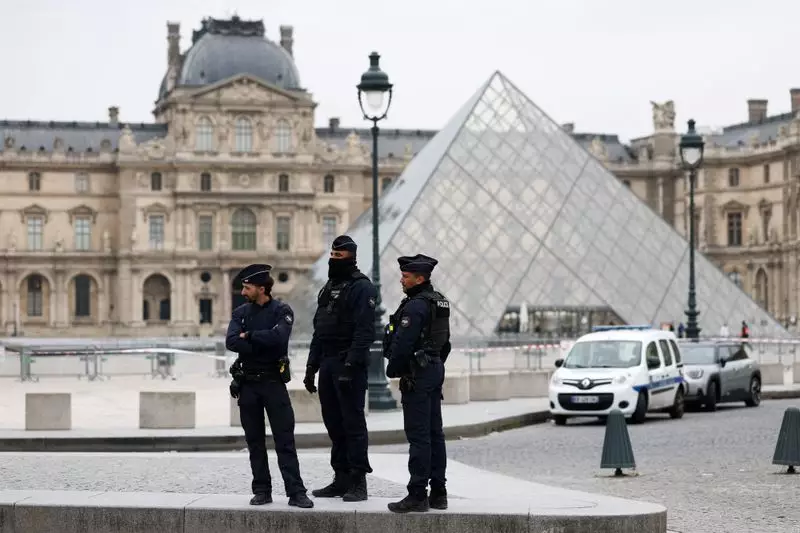
The world-renowned Louvre Museum in Paris has become the latest victim of a massive cybersecurity breach, exposing sensitive information of approximately 2.4 million individuals. This digital heist represents one of the most significant security incidents to hit the cultural institution, raising serious questions about data protection in the digital age.
The Anatomy of the Digital Heist
According to cybersecurity experts, the breach occurred through multiple vulnerabilities in the museum's digital infrastructure. The attackers managed to compromise databases containing visitor records, employee information, and financial data. The exposed information includes names, email addresses, physical addresses, and in some cases, partial payment card details.
The breach was first detected by security researchers who noticed the museum's data being traded on dark web forums. Approximately 2.4 million records were compromised, making this one of the largest security incidents in the museum's history. The Louvre, which attracts nearly 10 million visitors annually, maintains extensive digital records of ticket purchases, membership details, and research data.

Cybersecurity Failures and Vulnerabilities
Initial investigations reveal that the breach resulted from a combination of outdated security protocols and insufficient monitoring systems. The museum's IT infrastructure had several unpatched vulnerabilities that attackers exploited to gain unauthorized access. Security analysts noted that the institution had failed to implement basic security measures, including regular security audits and employee cybersecurity training.
What makes this breach particularly concerning is the extended period during which the systems remained compromised. Evidence suggests that attackers had access to the museum's networks for several months before the breach was discovered. This extended access allowed them to exfiltrate large volumes of data without detection.
Implications and Response Measures
The Louvre administration has initiated a comprehensive response to address the breach. The museum is working with French data protection authorities and cybersecurity firms to contain the damage and prevent future incidents. All affected individuals are being notified, and the institution has established a dedicated helpline for concerned visitors and stakeholders.
This incident serves as a stark reminder that no organization, regardless of its prestige or resources, is immune to cyber threats. The art and culture sector, which often prioritizes physical security over digital protection, must reassess its approach to cybersecurity. The breach highlights the critical need for regular security assessments, employee training, and robust incident response plans.
As museums and cultural institutions increasingly digitize their operations and visitor experiences, the protection of sensitive data must become a paramount concern. The Louvre breach demonstrates that the consequences of cybersecurity failures extend beyond financial losses to include reputational damage and loss of public trust.