UK Mother Loses £250,000 in Elaborate Celebrity Romance Scam, Rendered Homeless
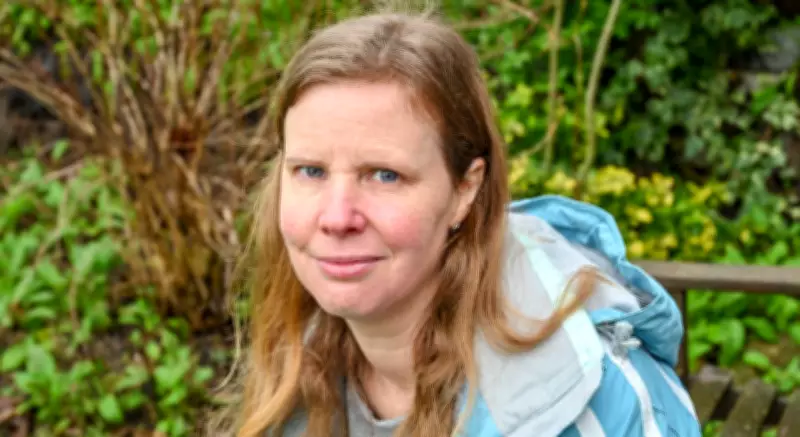
A mother of two from Worcestershire has been left homeless after being defrauded of £250,000 by a sophisticated network of online criminals who impersonated well-known actors and musicians. Over a two-year period, these fraudsters convinced Jennifer Barton, 44, from Kidderminster, that they loved her, needed urgent financial assistance, and planned a future together with her.
By the time the elaborate deception was uncovered, Barton had been forced to sell her family home, her car, and nearly all her personal possessions. The devastating financial and emotional toll has left her living in emergency housing while awaiting permanent accommodation.
The Slow-Burn Social Media Deception
The scam unfolded gradually across popular social media platforms Facebook and Instagram, where Barton was contacted by individuals claiming to be celebrities including Alexander Ludwig from Vikings, actor Charlie Hunnam, former Westlife member Nicky Byrne, and country singer Michael Ray.

"They wanted to meet," Barton revealed. "They said they were going through divorces and didn't have access to their own money. It was one excuse after another."
As an NHS healthcare professional, Barton found herself drawn into what initially appeared to be genuine connections. The fraudsters encouraged her to move conversations to the Telegram messaging app, claiming it offered greater privacy. What began as casual everyday chat soon transformed into intimate exchanges.
"They all told me that they loved me, wanted to marry me and wanted to come to England and be with me," she recounted.
The Initial Contact and Escalating Demands
The ordeal began when an Instagram account posing as Alexander Ludwig first contacted Barton. After encouraging her to download Telegram, the tone of communication quickly shifted from general conversation with flirtatious undertones to direct financial requests.
"Within a month or so he asked for money," Barton explained. "He wanted around £3,000 for court fees."
Over the following year, she sent this first impersonator £6,000 in cash and an additional £6,000 in Bitcoin. When Barton questioned why the real Alexander Ludwig appeared online with his wife, the scammer dismissed her concerns, telling her not to believe everything she read on social media.
"I felt like such a fool," she admitted, describing how she later realized she was being systematically manipulated. "You're hoping the guy is legit. I did wonder if I had gone too far, but I got addicted to spending this money. I had this attention from someone and I liked that attention."
Multiple Impersonators and Deepening Financial Losses
The scam escalated dramatically when Barton was targeted again last year by another account posing as Alexander Ludwig. This time, the fraudster claimed he needed money to "catch" the original fake, convincing her to send more than £100,000.
Other supposed celebrities appeared in rapid succession. A fake Charlie Hunnam promised romance but exposed himself during a video call when his accent didn't match expectations, causing Barton to disengage from that particular deception.
The most devastating phase came with an account claiming to be country singer Michael Ray. The scammer sent Barton images that appeared to match Ray's genuine Instagram account, successfully convincing her of his authenticity.
"He said he had a charity that could help me cover my bills for a few months," Barton recalled, "but I had to send him some money first."
Promising to transfer £140,000 to her account, the fraudster instead convinced her to sell her house. "I sold the house and I spent all the money," she revealed. "I got £111,000, and apart from a bit for a hotel and a hire car, the vast majority went on him. He kept reassuring me everything was going okay and that I'd be able to get a new house."
Only when the scammer repeatedly refused to meet in person did Barton finally confront the harsh reality of her situation.

Current Homelessness and Emotional Toll
By Christmas, Barton had completely exhausted her financial resources. She is currently living in a House in Multiple Occupation (HMO) and awaiting emergency housing support.
"I'm currently homeless at the moment," she stated. "For anyone facing anything similar, just reach out to family and friends, especially if they're asking you for money."
Barton described the powerful emotional pull that kept her trapped in the deception: "There was an addictiveness. When someone gives you attention, even if it's a scammer, it's nice. They play on your feelings."
To deepen the illusion, one fraudster even sent her personalized gifts including a custom canvas and a mug bearing his face, tokens that further blurred the lines between reality and manipulation.
Police Investigation and Legal Action
Action Fraud, the United Kingdom's national reporting centre for fraud and cybercrime, has reviewed Barton's case under its Report Fraud Analysis Service at the City of London Police. Authorities have confirmed the case will continue to be assessed as additional reports are submitted, until sufficient evidence is gathered to proceed with formal action.
Barton has also engaged CEL Solicitors, a private consumer law firm, in an attempt to recover some of her substantial losses. Jessica Hampson, the firm's chief executive, emphasized that cases like Barton's are far more common than many people realize.
"Those who prey on vulnerability are skilled at exploiting people's emotions and fears," Hampson explained. "They know how to manipulate trust, slowly wearing down people's defences. It's not just about money, the emotional toll of a scam can be just as devastating as the financial loss."
The case highlights the sophisticated methods employed by modern romance scammers who exploit emotional vulnerabilities through celebrity impersonation, demonstrating the urgent need for greater public awareness about online deception tactics.