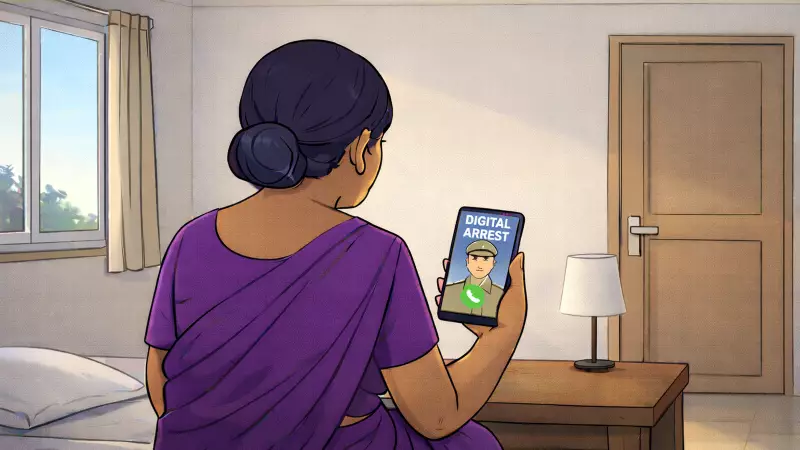
In a chilling case that highlights the sophisticated tactics of modern cybercriminals, a woman in her 60s from Noida fell victim to a "digital arrest" scam that lasted for a gruelling 56 hours and resulted in a staggering financial loss of Rs 65 lakh. The incident, which began on a July morning, serves as a stark warning about the psychological manipulation employed by fraudsters.
The Fateful Call That Started It All
The victim, who we will refer to as Sushma to protect her identity, had just finished her breakfast and was casually scrolling through her phone in her Noida apartment. Around 11 am, her phone rang from an unknown number. Despite the unfamiliar digits, she answered the call. This single decision marked the beginning of a two-day-long nightmare where she would be held captive not physically, but digitally, with scammers controlling her actions through fear.
Anatomy of a 56-Hour Digital Kidnapping
For the next two and a half days, Sushma was psychologically trapped. The fraudsters, posing as law enforcement officials, convinced her that she was implicated in a serious crime. They threatened her with immediate arrest and legal action, creating a state of intense panic. Speaking to TOI on the condition of anonymity, Sushma recounted how the "brain freeze" induced by sheer terror prevented her from pausing to think logically. "I was just so scared thinking I’d be charged or arrested," she said, explaining her state of mind during the ordeal. This fear was the tool the scammers used to keep her compliant and isolated, instructing her not to speak to anyone else as they meticulously drained her finances.

Lessons and the Aftermath of the Cyber Fraud
The step-by-step unfolding of this cyber fraud reveals a well-rehearsed playbook used by criminal networks. Sushma's primary regret, as she now reflects on the traumatic episode, is not taking a moment to step back and verify the claims. The scammers' success relied entirely on inducing a state of panic that overrides rational judgment. This case underscores several critical points for the public:
- Law enforcement agencies will never call to threaten arrest or demand money over the phone.
- Any call claiming to be from a government or police department asking for personal details or funds is a red flag.
- It is vital to disconnect, take a breath, and independently contact the authorities or family members to verify any such threatening claims.
The incident, reported in late December 2025, adds to a growing list of sophisticated digital arrest scams targeting Indians. It serves as a crucial reminder that in the digital age, vigilance and skepticism are the first lines of defense against financial and emotional ruin.