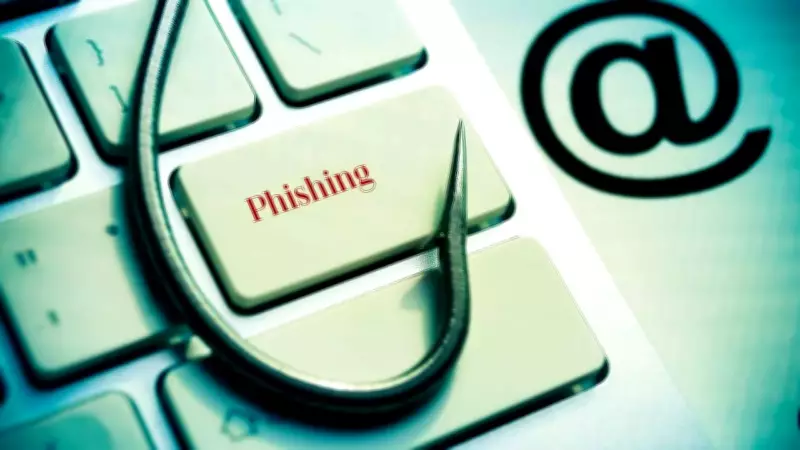
The Digital Age's Deceptive Danger: Understanding Phishing Attacks
The internet has fundamentally transformed how we conduct our daily lives, revolutionizing work, shopping, banking, and communication. Bills are settled online with a few clicks, salaries arrive through digital transfers, government services are accessed via mobile applications, and office documents travel instantly through email systems. Social media platforms bridge geographical divides, connecting families across continents in real-time.
However, this unprecedented convenience has introduced significant risks. Cybercrime has experienced steady growth over the past decade, with phishing emerging as one of the most prevalent and effective methods employed by digital criminals. This deceptive practice continues to succeed not through sophisticated technical exploits, but by targeting fundamental aspects of human behavior.
What Exactly Is Phishing and How Does It Operate?
Phishing represents a specific category of cybercrime where attackers impersonate trustworthy entities to deceive individuals into surrendering confidential information. This stolen data can include passwords, credit card details, bank account numbers, Aadhaar information, one-time passwords, login credentials, and various other personal identifiers.

The term "phishing" derives from the word "fishing," reflecting how attackers cast wide nets of fraudulent communications hoping someone will take the bait. Unlike direct hacking that breaches systems technically, phishing manipulates people into voluntarily providing access to their sensitive data.
Phishing attacks typically follow a predictable three-stage pattern. First, the attacker creates a deceptive message that appears to originate from a legitimate source such as a bank, delivery service, government agency, employer, or popular online platform. These messages often contain alarming content about blocked accounts, unpaid bills, suspicious activities, or urgent verification requirements.
Second, the fraudulent message includes either a malicious attachment or a deceptive link. When clicked, this link redirects victims to counterfeit websites meticulously designed to mimic genuine platforms, complete with copied logos, color schemes, and layouts to appear authentic.
Third, unsuspecting victims enter their personal information on these fake sites, transmitting their data directly to the attackers. In some sophisticated variations, simply clicking a malicious link can install malware that records keystrokes or provides remote access to devices.
Evolving Threat Landscape: Different Types of Phishing Attacks
Phishing has evolved beyond simple email scams, with criminals continuously adapting their methods to exploit new communication channels and psychological vulnerabilities.
Email Phishing: This remains the most common variant, involving bulk emails disguised as communications from banks, social media companies, tax authorities, or online retailers designed to trick recipients into clicking fraudulent links.
Spear Phishing: Unlike broad campaigns, spear phishing targets specific individuals or organizations with personalized messages using the victim's name, job title, or company details. According to IBM's Cost of a Data Breach Report, these targeted attacks represent a leading cause of corporate security incidents.
Smishing: This technique utilizes SMS messages for phishing attempts. In India particularly, fraudulent texts frequently claim bank accounts will be frozen unless immediate action is taken through provided links, prompting warnings from CERT-In about such mobile-based scams.
Vishing: Voice phishing involves telephone calls where attackers pose as customer service representatives, tax officials, or law enforcement officers requesting one-time passwords or banking details. Banking authorities consistently emphasize that legitimate institutions never request OTPs over phone calls.
Clone Phishing: In this sophisticated approach, attackers copy legitimate emails and resend them with malicious links replacing original attachments. Because the email appears familiar, victims are more likely to trust and interact with it.

Psychological Manipulation: Why Phishing Continues to Succeed
Phishing's effectiveness stems from its exploitation of fundamental human psychology. Criminals create fear by alleging suspicious transactions, generate urgency by threatening account suspensions, and manufacture excitement through promises of lottery winnings or unexpected refunds.
Many individuals automatically trust emails featuring official logos or professional formatting, assuming these visual cues guarantee legitimacy. Attackers strategically exploit this cognitive bias. Additionally, the prevalence of mobile email access presents challenges, as URLs are harder to examine carefully on smaller screens.
Recognizing Red Flags: Warning Signs of Phishing Attempts
Despite their deceptive appearances, phishing attempts often contain identifiable warning signs that alert individuals to potential threats.
- Unsolicited Information Requests: Legitimate banks and government agencies never request passwords or OTPs through email or text messages.
- Generic Greetings: Messages addressing recipients as "Dear Customer" rather than using specific names often indicate mass phishing campaigns.
- Suspicious Domain Names: Fraudulent websites frequently use slightly misspelled domain names that resemble legitimate addresses.
- Poor Language Quality: While modern phishing attempts have improved, grammatical errors or unusual phrasing can still indicate fraudulent communications.
- Excessive Urgency: Messages creating artificial pressure for immediate action often aim to prevent careful consideration.
Protective Measures: How Individuals Can Safeguard Against Phishing
Maintaining digital safety requires awareness and consistent application of fundamental security practices.
- Avoid Suspicious Links: Rather than clicking email links claiming to be from banks or services, manually type official website addresses or use dedicated applications.
- Enable Two-Factor Authentication: This additional verification layer can prevent unauthorized access even if passwords are compromised.
- Update Software Regularly: Security patches address vulnerabilities that attackers might otherwise exploit.
- Utilize Spam Filters: Most email services automatically filter suspicious messages when properly configured.
- Educate Vulnerable Groups: Elderly users and teenagers often represent prime targets due to awareness gaps, making education crucial.
- Report Phishing Attempts: Notifying appropriate authorities helps track and combat these threats.
Organizational Defense: Reducing Corporate Phishing Risks
Businesses face amplified risks since a single employee's mistake can expose entire systems. Organizations can implement several strategies to mitigate these threats.
Employee Training: Regular educational sessions help staff recognize suspicious emails and understand proper reporting procedures.
Email Authentication Standards: Implementing technical protocols like DMARC, SPF, and DKIM helps verify sender authenticity and reduce spoofed emails.
Security Monitoring: Endpoint protection software and intrusion detection systems can identify malicious activity early in the attack cycle.
Access Limitations: Restricting administrative privileges minimizes potential damage if credentials are compromised.
As digital integration deepens across all aspects of modern life, understanding phishing has transitioned from specialized knowledge to essential digital literacy. Recognizing these deceptive tactics and implementing protective measures represents a critical skill for navigating today's interconnected world safely.