

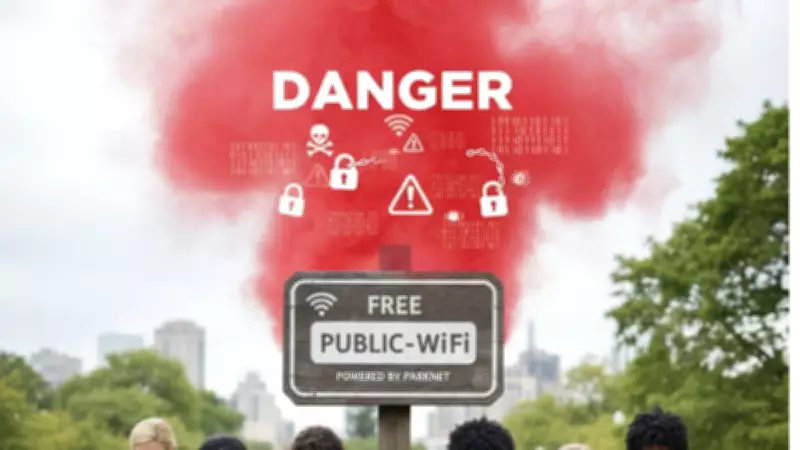
The Hidden Dangers of Public Wi-Fi Networks
In today's hyper-connected world, public Wi-Fi networks have become ubiquitous, offering free internet access in cafes, airports, hotels, and shopping malls. However, this convenience comes at a significant cost to your digital security. When you connect your smartphone to an unsecured public Wi-Fi hotspot, you are potentially exposing your sensitive personal and financial data to cybercriminals who actively monitor these networks.
How Hackers Exploit Public Wi-Fi Connections
Cyber attackers employ sophisticated techniques to intercept data transmitted over public Wi-Fi. One common method is the "Man-in-the-Middle" (MitM) attack, where hackers position themselves between your device and the Wi-Fi router. This allows them to eavesdrop on all your online activities, capturing login credentials, banking details, and private messages in real-time.
Another prevalent threat is the use of rogue hotspots. Malicious actors set up fake Wi-Fi networks with names similar to legitimate ones, such as "Free Airport Wi-Fi" or "Coffee Shop Guest." Unsuspecting users who connect to these networks unknowingly grant hackers direct access to their devices, enabling data theft or malware installation.

What Happens When Your Phone Connects to Risky Wi-Fi
Upon connecting to a compromised public Wi-Fi network, your phone becomes vulnerable to several immediate risks:
- Data Interception: Unencrypted data packets sent from your device can be easily captured and analyzed by hackers.
- Session Hijacking: Attackers can steal active session cookies to gain unauthorized access to your social media, email, or banking accounts.
- Malware Distribution: Public networks can serve as conduits for spreading viruses, spyware, or ransomware to connected devices.
- Phishing Attacks: Hackers may redirect you to fraudulent websites designed to steal your personal information.
Essential Safety Measures for Public Wi-Fi Users
To mitigate these risks, cybersecurity experts recommend adopting the following protective practices:
- Use a Virtual Private Network (VPN): A reliable VPN encrypts all data transmitted between your device and the internet, making it unreadable to potential eavesdroppers.
- Avoid Accessing Sensitive Accounts: Refrain from logging into banking, shopping, or email accounts while connected to public Wi-Fi networks.
- Verify Network Authenticity: Always confirm the official network name with establishment staff before connecting.
- Enable Two-Factor Authentication (2FA): Add an extra layer of security to your online accounts to prevent unauthorized access.
- Keep Software Updated: Regularly update your phone's operating system and applications to patch known security vulnerabilities.
As public Wi-Fi usage continues to grow across India, awareness of these cybersecurity threats becomes increasingly crucial. By understanding how hackers operate and implementing robust safety protocols, users can enjoy the benefits of free internet access without compromising their digital privacy and security.

