

Pune Senior Loses Rs 10.7 Crore in Elaborate Digital Arrest Scam Involving Fake Court
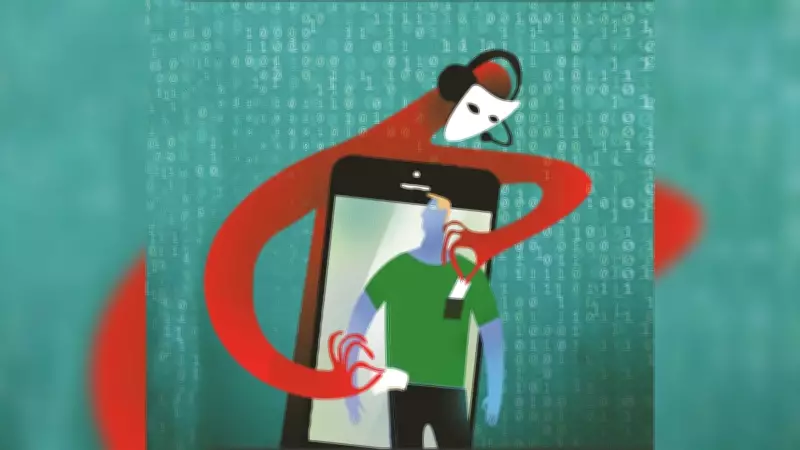
In a shocking case that highlights the growing sophistication of cybercrime in India, an 82-year-old retired entrepreneur from Pune has been defrauded of Rs 10.7 crore in a meticulously orchestrated digital arrest scam. The fraudsters employed a complex ruse involving a fake judge, a staged online court hearing, and impersonation of multiple government officials to coerce the victim into transferring his life savings.
The Elaborate Fraud Scheme Unfolds
The incident, which occurred between January 23 and 31, 2026, began when a cyber fraudster contacted the complainant, posing as an officer from the Telecom Regulatory Authority of India (TRAI). The fraudster informed the elderly man that his phone number had been flagged in a criminal investigation. To add credibility to their story, the criminals fraudulently invoked the name of Jet Airways founder Naresh Goyal, claiming that a bank account linked to the phone number was connected to the Naresh Goyal case.
The scheme escalated rapidly as the fraudsters, now impersonating CBI officials, instructed the victim to write an affidavit admitting involvement in the alleged scam. Subsequently, they demanded his appearance in an online court hearing, which was entirely staged. During this fake proceeding, a fraudster posing as a judge presided over the bogus prosecution, threatening the octogenarian with a prison sentence of over seven years.

Manipulation and Financial Drain
The fake judge, exploiting the victim's age and vulnerability, offered a government-appointed lawyer to help clear his name. However, this was merely another layer of deception. The fraudsters, now acting as the lawyer and judge, manipulated the complainant into sharing exhaustive details of his finances, including bank balances and deposits. Under the guise of fund verification for the Reserve Bank of India, they coerced him into transferring Rs 10.7 crore in seven large transactions to mule accounts.
The victim was assured that his money would be returned after verification, but the reality was a complete financial wipeout. It was only when the complainant recounted the sequence of events to his daughter that the fraud was uncovered. The family promptly approached the Cyber Crime Police Station in Pune, leading to the registration of a First Information Report (FIR) based on the victim's statement.
A Growing National Concern
This case is one of the largest digital arrest scams reported in Maharashtra and underscores a persistent national issue. Despite extensive awareness campaigns and sensitization efforts by government and law enforcement agencies, incidents of online extortion, blackmail, and digital arrest continue to rise. These scams typically involve cybercriminals impersonating officials from agencies such as:
- Police
- Central Bureau of Investigation (CBI)
- Narcotics Department
- Reserve Bank of India (RBI)
- Enforcement Directorate
and even judges, as seen in this Pune case. The seriousness of such frauds has been flagged at the highest levels, including by Prime Minister Narendra Modi in his Mann Ki Baat address, emphasizing the need for heightened vigilance.
The Mechanics of Cybercrime Syndicates
As previously reported, these scams are orchestrated by complex, multilayered syndicates operating across borders. The victims' money is often funneled into mule accounts and then routed to international cybercrime networks through cryptocurrency channels, making recovery extremely challenging. The Pune incident serves as a stark reminder of the evolving tactics used by fraudsters to exploit trust and authority.
Authorities have repeatedly expressed concern over the vulnerability of senior citizens and other demographics to such sophisticated schemes. The case highlights the critical importance of public awareness, robust cybersecurity measures, and prompt reporting to combat the escalating threat of cyber fraud in India.

