Gangs Use 'Brahmos', 'Tesla' & 'Avengers' to Hijack Train Tickets in Seconds
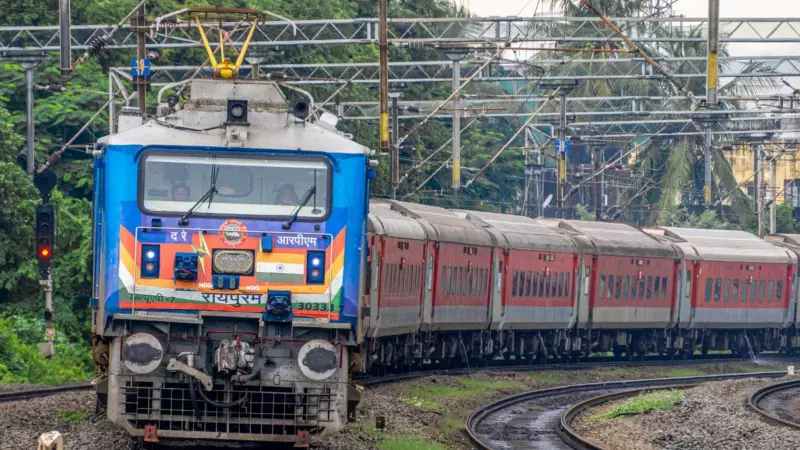
In a high-tech battle for railway tickets, sophisticated software programs with names straight out of science fiction and superhero comics are beating legitimate passengers to precious seats. The Railway Protection Force (RPF) has launched a major crackdown on inter-state gangs using unauthorized software like 'Brahmos', 'Tesla', 'Avengers' and 'Dr Doom' that can book tickets in just 10-15 seconds.
The 15-Second Ticket Heist
When the online booking window opens at 8 am for long-distance trains, these automated systems complete the entire booking process in under 15 seconds - leaving thousands of genuine ticket-seekers stranded. According to railway officials, the software is coded to perform multiple activities simultaneously, unlike the linear process followed by normal users.
"A person will fill in details, then get an OTP, then fill in the Captcha code. The software will have pre-filled information of a person uploaded. An OTP is generated and fed into the system even as the Captcha code is filled — all at the same time," explained an official familiar with the investigation.

These programs have been given "trendy names" by developers so they can "easily be recalled" within their networks. While Tesla has been active for the past six months, Brahmos entered the scene just a month ago, indicating continuous evolution of these illegal tools.
How the Ticket Mafia Operates
The sophisticated operation involves multiple layers: developers who create the software, online admins who manage systems, "super sellers" who oversee entire divisions, and touts who directly interface with customers.
A day before booking opens, touts with "membership" in these high-end systems collect passenger details from customers. At precisely 8 am, the software springs into action, bypassing security measures meant to prevent automated bookings.
According to National Payments Corporation of India (NPCI) rules, OTPs should not be automatically read by any system, and Captcha codes are specifically designed to prevent bots from subverting the process. "But unauthorized systems have managed to bypass these security measures," admitted an official.
Lucrative Black Market Business
The financial incentives driving this illegal trade are substantial. Super sellers typically charge Rs 1,500-Rs 2,500 per month for access to software systems without any limit on tickets. The more advanced Brahmos software charges Rs 99 per PNR, with each PNR accommodating up to six passengers in regular booking and four in tatkal.
The profit margins are staggering. A sleeper PNR costing Rs 800 is resold by touts for Rs 2,000, with prices multiplying several times during festive seasons, particularly for trains heading to states like Uttar Pradesh and Bihar. "For example, in third AC, what would cost Rs 2,300 would go up to Rs 4,000," revealed an official.
Railways Fight Back with New Measures
Railway officials have implemented several countermeasures to tackle this growing menace. These include delaying payment processing until 35 seconds after 8 am and mandating Aadhaar-verified IDs for ticket bookings.
However, these measures have created new challenges. "Ever since Aadhaar verification has been made compulsory for booking IDs, the demand for such IDs has gone up in the black market. Earlier, you had to pay Rs 30 to get an ID. It now costs Rs 500," the official disclosed.
Senior Divisional Security Commissioner, Mumbai, Rishi Shukla confirmed: "The RPF is constantly on the alert for such ticketing scams and we have made several arrests in connection with such cases."
Major Busts and Arrests
The RPF's IT cell has registered 10 cases this year and 25-30 last year related to illegal ticket booking. Approximately 50 people have been arrested so far, including super sellers, touts and developers.

In January 2020, the RPF arrested Ghulam Mustafa, a self-taught software developer from Jharkhand, along with his accomplices. Authorities seized tickets worth Rs 3.5 crore and uncovered his operation using the illegal software "ANMS MAC." Mustafa was allegedly running a YouTube channel providing instructions on system hacking.
Investigators recovered 566 personal IRCTC booking IDs, a list of 2,400 SBI branches and 600 regional rural banks where he operated accounts, along with e-cards from Pakistan and Bangladesh.
In another significant case between December 2023 and April 2024, RPF arrested 16 people, including Bipin Gaur from a village in Maharashtra's Bhiwandi. Gaur allegedly developed and distributed software called "Nexus" for touts to book tickets illegally.
The investigation revealed 23 suspicious bank account transactions and 234 e-tickets valued at Rs 4.85 lakh. Among these, 94 tickets were for live or future journeys valued at Rs 2.20 lakh, associated with five agent IDs and 684 personal user IDs. Additionally, 193 suspected tout leads were identified and circulated across various Railway zones.
Last month, Railways Minister Ashwini Vaishnaw honored Gopalkrishna Rai, a Sub Inspector with the IT cell of Central Railway's Mumbai Division, for busting this sophisticated racket.
Continuous Cat and Mouse Game
Officials describe the situation as a "cat and mouse game" where fraudsters constantly develop new methods to circumvent government measures. "Those who may not have a technical background just hire freelancers, instructing them on the kind of software they want," explained an official.
As Indian Railways continues to enhance its digital security framework, the battle against these high-tech ticket scalpers intensifies, with both sides constantly evolving their strategies in this technological arms race for railway tickets.