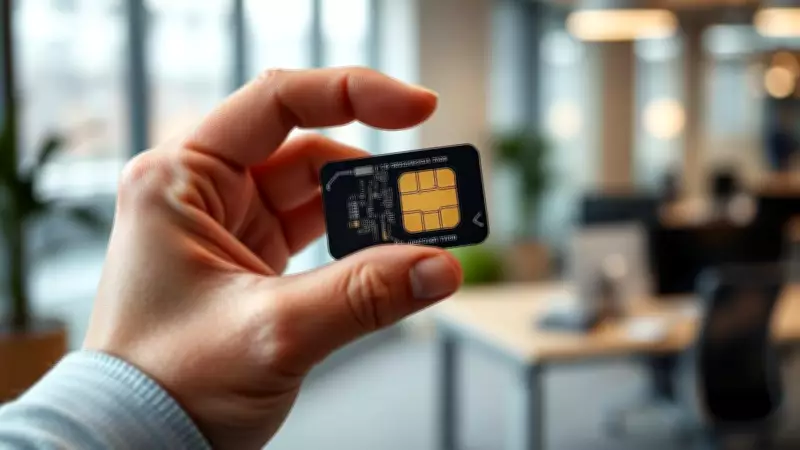
New SIM-Binding Mandate for Messaging Apps Kicks In on March 1
Starting March 1, popular messaging platforms such as WhatsApp and Telegram will be required to adhere to a new SIM-binding regulation issued by the Department of Telecommunications (DoT). This rule, originally announced on November 28, grants companies a 90-day compliance window. It mandates that these apps ensure services function only when the registered SIM card is physically present in the user's primary device. This initiative is part of the government's broader strategy to combat online fraud and prevent misuse of mobile numbers. Failure to comply could result in penalties under telecom and cybersecurity laws.
Understanding SIM-Binding: A Shift in User Verification
Currently, most messaging applications verify users through a one-time password (OTP) sent to their mobile number during the registration process. Once this verification is complete, the app can continue operating even if the SIM card is removed, replaced, or deactivated. Web versions, however, typically do not require the SIM to remain active in the device, as access is often facilitated through QR codes or OTP verification on the web.
Under the new SIM-binding regulations, the app must maintain a continuous link to the SIM card used during registration for the user to keep using the platform. If the registered SIM is taken out of the primary device, the app will cease to function. This means users will be unable to access their accounts without the active SIM inserted in their phone, enhancing security measures.

Key Changes for Users: What to Expect from March 1
Once the rule becomes effective, messaging platforms must ensure their services are always connected to the active SIM associated with the account. Additionally, web-based services like WhatsApp Web will be required to automatically log out at least every six hours, necessitating periodic re-authentication by users.
However, the six-hour auto-logout rule applies exclusively to web sessions and not to the main mobile app where the SIM is installed. The government has clarified that users who are traveling or roaming will not be impacted, provided the SIM remains active in the device, ensuring minimal disruption for legitimate users.
Rationale Behind the SIM-Binding Rule: Combating Cybercrime
According to the DoT, cybercriminals have been exploiting messaging apps by operating accounts without the original SIM present. Fraudsters have reportedly used such loopholes to execute phishing attacks, impersonation schemes, and other scams, sometimes from locations outside India. The new rule aims to ensure that every active account is linked to a verified SIM issued through Know Your Customer (KYC) norms. Officials assert that this will improve traceability and reduce the misuse of telecom identifiers, thereby strengthening cybersecurity frameworks.
Industry Response and Legal Challenges
Some messaging companies are already testing updates to comply with the new regulation. Reports indicate that WhatsApp beta versions include prompts asking users to confirm that their registered SIM is present in the device. Simultaneously, a group representing major messaging platforms has challenged the rule in court, arguing that it may exceed the government's authority. The government, however, maintains that SIM-binding is essential for cybersecurity and fraud prevention.
As the rule takes effect from March 1, users of WhatsApp, Telegram, Signal, and similar apps may begin noticing changes in how their accounts function, particularly on web and desktop versions. This move underscores the ongoing efforts to balance user convenience with enhanced security in the digital age.