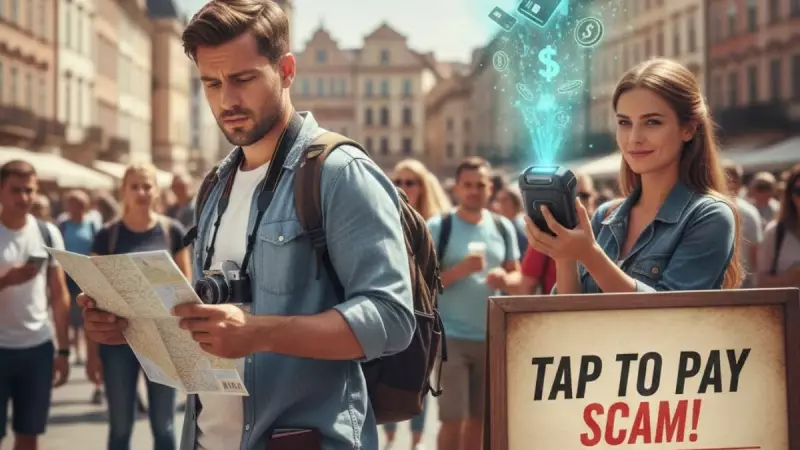
A sophisticated new form of digital theft, known as 'tap-to-pay' or 'contactless payment' fraud, is rapidly emerging as a significant threat to travellers across the globe. This scam exploits the Near Field Communication (NFC) technology embedded in modern credit and debit cards, allowing criminals to steal funds without physical contact. Security experts are urging heightened vigilance, especially in crowded tourist hubs, airports, and public transport.
How the Tap-to-Pay Scam Operates
Unlike traditional card skimming, which requires a physical device to read a card's magnetic strip, this new fraud method is disturbingly simple and contactless. Criminals use a portable, easily concealable NFC reader—often hidden in a bag or even a pocket—to wirelessly intercept the payment details from a contactless card. They merely need to get within a few centimetres of the victim's wallet or purse.
The fraud typically occurs in densely packed areas where close proximity is normal and unnoticed. Prime locations include metro trains, bus stations, airport queues, tourist attractions, and crowded markets. The thief brushes past the victim, and in that moment, the hidden reader communicates with the NFC chip in the card. In some instances, criminals have been known to pose as tourists or commuters, carrying backpacks or jackets modified to house the reader.

Once the device captures the card's data, the stolen information can be used to create cloned cards or to make unauthorized online purchases. The entire process is silent, quick, and leaves the victim completely unaware until they notice suspicious transactions on their bank statement.
Essential Safety Tips for Travellers
While the threat is real, travellers are not powerless. Adopting a few key precautions can drastically reduce the risk of falling victim to this invisible scam.
First and foremost, invest in a protective RFID-blocking wallet or card sleeve. These accessories are lined with materials that create a Faraday cage, effectively blocking all wireless signals and preventing unauthorized reads. This is one of the most effective physical barriers against NFC skimming.
Be extra cautious in crowded environments. Be mindful of your belongings and maintain awareness of people who get unusually close. If someone bumps into you or lingers nearby, it's prudent to check your wallet's location.
Leverage the security features of your banking apps. Enable instant transaction notifications for every payment, no matter how small. This real-time alert system is your first line of defence, allowing you to spot and report fraud immediately. Furthermore, regularly review your account statements for any discrepancies.
Consider using digital wallets on your smartphone, such as Google Pay, Apple Pay, or Samsung Pay, for payments instead of your physical card. These services use tokenization, generating a unique, one-time code for each transaction, which makes the data useless to thieves even if intercepted.
When not in use, especially while travelling, you can store your contactless cards in a metal container like a mint tin, which also blocks signals. Alternatively, some travellers wrap their cards in aluminium foil as a makeshift shield.
The Global Response and Future of Contactless Security
Financial institutions and card networks are aware of this evolving threat. Many banks have implemented robust fraud detection algorithms that monitor for unusual tap-and-pay activity, especially in foreign countries. Most also offer zero-liability policies for unauthorized transactions, provided they are reported promptly.
However, the onus remains largely on the consumer to take proactive steps. The convenience of tap-to-pay technology is undeniable, but it must be balanced with security awareness. As this fraud technique gains notoriety, experts predict a surge in the adoption of RFID-blocking products and a greater push for consumer education.
The key takeaway for globetrotters is simple: the era of simply tapping and going requires a new layer of caution. By combining physical protection (RFID blockers), digital vigilance (transaction alerts), and situational awareness in crowds, you can enjoy the ease of contactless payments without becoming the next target of this stealthy global scam.