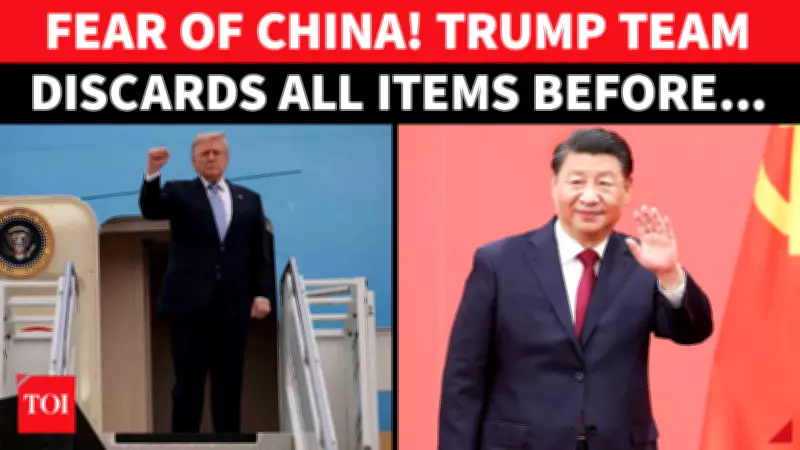
Following a high-ceremony summit in Beijing, an unusual security ritual stole the spotlight. As Donald Trump prepared to depart, U.S. staff reportedly collected and discarded every badge, burner phone, and pin provided by Chinese hosts before boarding Air Force One. The quiet act, observed by the traveling press, underscored Washington's uncompromising counter-intelligence posture despite the warm optics of meetings with Xi Jinping. The episode became a striking symbol of cordial diplomacy layered over deep strategic caution.
Security Measures Amid Diplomatic Warmth
The destruction of all Chinese-provided items was a precautionary measure to prevent potential espionage. According to sources, the Trump team followed strict protocols to ensure no devices capable of surveillance entered the United States. This practice is not unprecedented but gained attention due to the high-profile nature of the summit.
Counter-Intelligence Protocols
U.S. security teams routinely advise against using foreign-provided electronics, as they can be compromised. The decision to discard items extended to gifts, which were also left behind. This reflects a broader policy of treating all foreign devices as potential security risks.

- All badges and pins were collected and destroyed.
- Burner phones provided by Chinese hosts were discarded.
- Gifts from Chinese officials were not taken aboard Air Force One.
Strategic Caution Over Optics
The move highlights the duality of U.S.-China relations: public diplomacy versus private security concerns. While the summit showcased cooperation, the behind-the-scenes actions revealed deep-seated mistrust. Analysts note that such measures are standard for high-risk visits but rarely publicized.
This incident serves as a reminder of the ongoing technological and intelligence competition between the two nations. Despite the cordial atmosphere, both sides remain vigilant against potential breaches.